

.svg)




Discovering M2C model: Selling Directly from Manufacturer to Consumer
 Vietnam Post Logistics
 9 July, 2025
 5 phút đọc
In the context of the rapidly evolving global e-commerce landscape, new business models are continually emerging to meet increasingly complex and personalized market demands. One standout model gaining attention from manufacturers and businesses like M2C (Manufacturer to Consumer) – a model that enables direct sales from manufacturers to end consumers.
Unlike traditional models, M2C eliminates distribution intermediaries, helping businesses reduce costs, better control product quality, and enhance competitiveness. This article will help you understand the M2C model, its benefits, challenges, and why Vietnam Post Logistics is the ideal partner to successfully implement M2C in Vietnam.
What is M2C? How It Differs from Other Commerce Models
M2C (Manufacturer to Consumer) is a commerce model where manufacturers sell directly to consumers without going through distributors, agents, or retailers. It is an extension of the D2C (Direct to Consumer) model, emphasizing the manufacturer’s control over the entire supply and sales chain.
| Model | Description | Advantages | Disadvantages |
|---|---|---|---|
| B2C (Business to Consumer) | Businesses sell to consumers via intermediaries or retail stores | Popular with established distribution systems | High intermediary costs, difficult to control customer experience |
| D2C (Direct to Consumer) | Businesses sell directly to consumers | Higher profits, brand control | Requires strong investment in logistics and technology |
| M2C (Manufacturer to Consumer) | Manufacturers directly approach consumers | Cuts out middlemen, cost optimization, and transparent processes | Needs robust digital and logistics infrastructure |
Benefits of M2C for Manufacturers
Implementing the M2C model allows manufacturers to streamline operations and increase brand value. Key advantages include:
Cost Optimization – Higher Profit Margins
By bypassing intermediaries like distributors, agents, and retailers, M2C helps businesses:
- Reduce commission costs
- Lower retail prices
- Increase profit margins per product
Direct Control Over Customer Experience
Businesses take charge of every step: product presentation, customer care, feedback handling, and issue resolution – strengthening brand trust and value.
Efficient User Data Management
Selling directly enables manufacturers to collect and analyze consumer behavior data to:
- Improve products based on real feedback
- Personalize shopping experiences
- Execute more targeted marketing campaigns
Faster Market Access
Without the approval chains of distributors, M2C allows products to:
- Launch faster
- Adjust pricing and promotion strategies flexibly
- Test new markets easily
Challenges of Implementing M2C in Vietnam
Despite its advantages, businesses face several challenges when applying the M2C model:
Limitations in Logistics Infrastructure
Handling delivery, warehousing, returns, etc., requires professional logistics infrastructure, which can be costly without support.
Heavy Investment in Technology Platforms
M2C demands a seamless ecosystem: websites, sales apps, CRM, order management (OMS), etc.
Enhanced Marketing Capabilities
Without relying on distributor networks, businesses must develop strong digital marketing strategies to attract customers independently.
Legal and Tax Compliance
Understanding and complying with regulations on invoicing, e-commerce registration, warranties, returns, etc., is crucial.
A Step-by-Step Guide to Implementing M2C
A comprehensive process for businesses to implement the M2C model effectively:
Step 1: Standardize E-Commerce Platforms
Build a user-friendly website or direct sales platform (app or proprietary marketplace) supporting multiple languages and international payments.
Integrate tools like OMS, WMS, chatbot, and CRM.
Step 2: Set Up Fulfillment & Warehousing Systems
Connect with comprehensive fulfillment service providers: receiving, storing, packaging, and delivering.
Prioritize multi-national warehouse systems or warehouses near target markets (e.g., U.S., EU, Southeast Asia).
Step 3: Optimize Global Transportation Chain
Integrate cross-border logistics solutions to deliver products quickly to global consumers.
Partner with providers capable of handling customs clearance, import-export documents, and continuous tracking.
Step 4: Manage Customer Experience
Use automation in order processing, customer support, and rapid responses.
Implement review systems and feedback collection to improve products and services.
Step 5: Marketing & Global Brand Building
Launch multi-channel advertising campaigns: Google Ads, Meta, TikTok, Amazon, etc.
Develop high-quality content, product videos, social proof, and work with influencers to build trust.
Optimize multilingual SEO to reach target customers in different regions.
Vietnam Post Logistics – A Comprehensive Logistics Solution for M2C
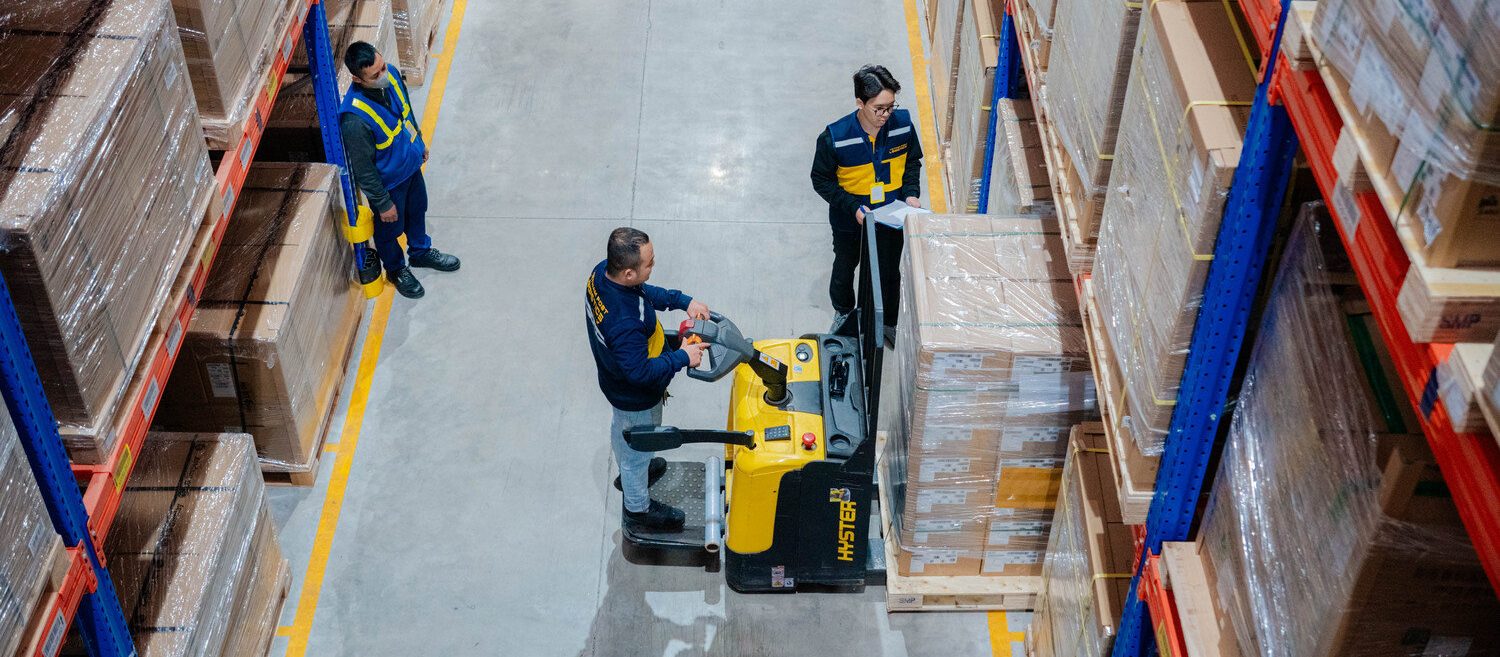
To successfully implement M2C, businesses need a strong logistics partner with deep market understanding. Vietnam Post Logistics proudly supports enterprises in implementing M2C with services such as:
Fulfillment – Fast & Professional Order Processing
- Real-time inventory management
- Brand-standard packaging
- Flight slot assurance even in peak seasons
- Fast delivery to the U.S., Canada, Australia, Europe…
Bonded Warehouses & Nationwide Warehouse Network
- Large-scale storage, meeting international standards
- Over 500,000 m² of warehouse space and strategic bonded warehouse locations for swift delivery and international shipping
- Optimized storage costs and inventory turnover
Cross-Border Transportation for Global M2C
- Delivery to over 220 countries and territories via the UPU global postal network
- Customs declaration and export documentation support
- Strategic partnerships with major global airlines
Smart Technology Systems for Sales Support
- Warehouse Management System (WMS)
- Logistics automation
- Integrated order, inventory, and shipment tracking systems
M2C is not just a trend – it is a necessary transformation for manufacturers in the digital era. Streamlining the supply chain, engaging directly with consumers, and controlling product quality offer long-term competitive advantages.
With advanced logistics capabilities, experienced professionals, and nationwide infrastructure, Vietnam Post Logistics is the strategic partner to accompany businesses on their M2C journey.
Bài viết liên quan
10 October, 2026
Southern Trucking Services: Relieving Peak Season Port and Airport Congestion
As the year-end peak season approaches, trading activity across Southern Vietnam’s key economic zone reaches record levels. Major seaport complexes like Cat Lai and Cai Mep – Thi Vai, alongside key air cargo gateways in the Ho Chi Minh City area, experience heavy inbound cargo flows to supply holiday production and distribution networks. However, revenue […]

10 October, 2026
Top 4 Trusted Warehousing Services in Nghe An (2026 Guide)
10 October, 2026
Top 4 Trusted Warehousing Services in Nghe An (2026 Guide)
The surge in Foreign Direct Investment (FDI) and the ongoing industrial shift in North Central Vietnam are rapidly transforming Nghe An into a key regional logistics hub. For major manufacturing, trading, and distribution enterprises (Key Accounts/FDI clients), finding a reputable provider of warehousing services in Nghe An with high technical standards to serve as a […]
4 October, 2026
Warehouse Rental in Nghe An: Strategic Solutions for Enterprise Supply Chains 2026
The surge in foreign direct investment (FDI) and manufacturing activity across North Central Vietnam is driving a strong demand among enterprise clients for large-scale storage space. However, finding a reliable warehouse rental in Nghe An that satisfies rigorous technical standards, offers optimal transportation connectivity, and provides professional operational capabilities to serve as a regional distribution […]
6 August, 2026
Hai Phong Yard Rental Service & Technical Standards Enterprises Need to Know
Currently, concerns about flooding during the stormy season, expensive DEM/DET penalty fees, and the shortage of standard off-dock buffer yards are creating immense pressure on the supply chain in Hai Phong. Perfectly meeting these strict requirements, the Hai Phong yard rental service by Vietnam Post Logistics provides a vast open yard space, high load-bearing foundation, […]
6 August, 2026
OPTIMAL SOLUTIONS FOR CONTAINER AND OPEN YARD STORAGE COSTS AT HAI PHONG GATEWAY
In the supply chain management problem at the Hai Phong gateway, choosing the wrong storage infrastructure can turn a profitable shipment into a loss due to storage fees. With main port yards constantly overloaded and indoor warehouses limited by both load capacity and height, the Off-Dock Open Yard model emerges as a perfect alternative solution. […]
15 July, 2026
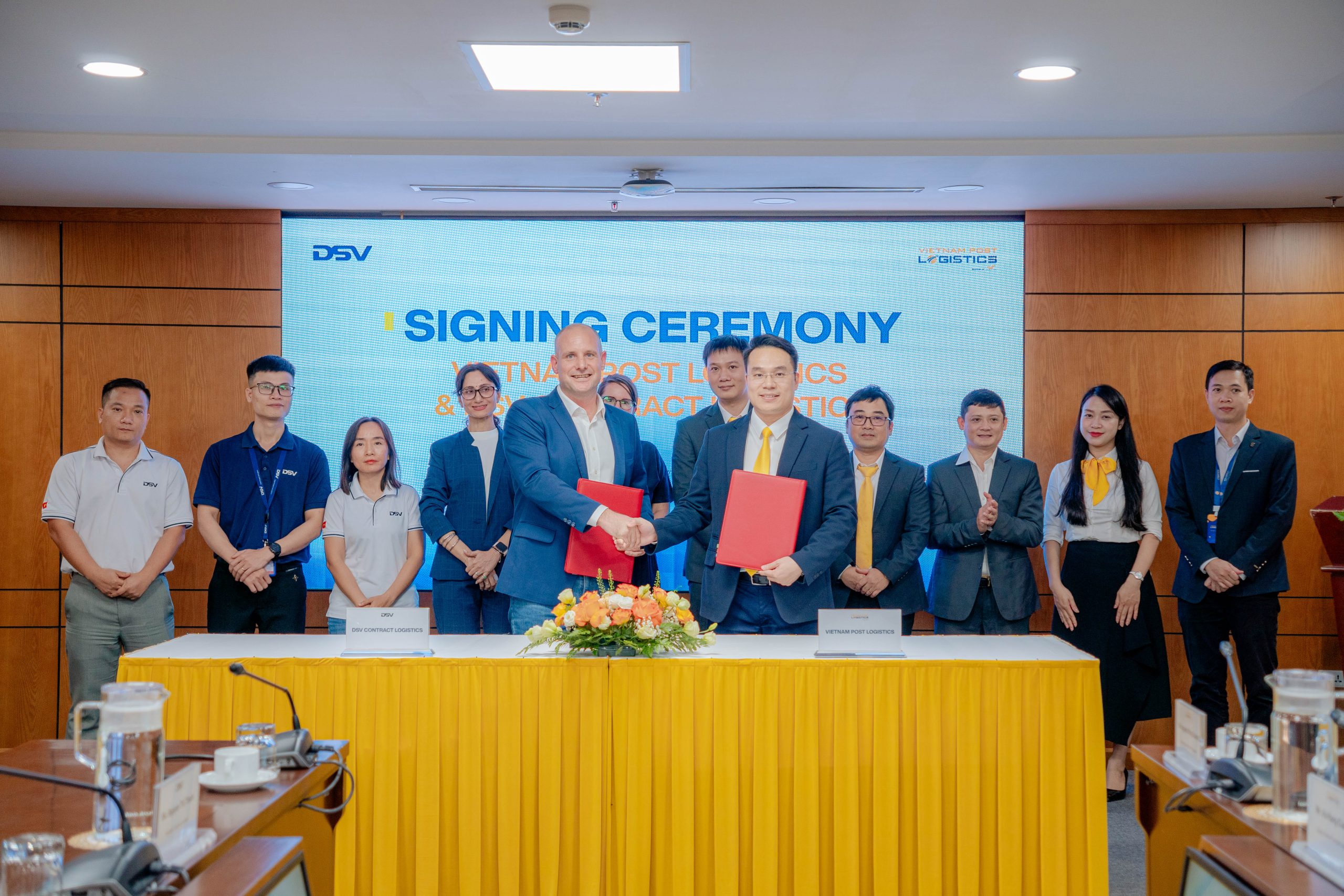
A Strategic Handshake Between Vietnam Post Logistics and DSV Contract Logistics (Vietnam): Pioneering the Future of B2B Supply Chains
On the afternoon of July 13, 2026, the Principal Contract Renewal Ceremony between Vietnam Post Logistics and DSV Contract Logistics (Vietnam) officially took place in a distinguished and proud atmosphere. This event attracted special attention, not only because of the scale of the two enterprises but also due to the profound impact of this partnership […]
11 June, 2026
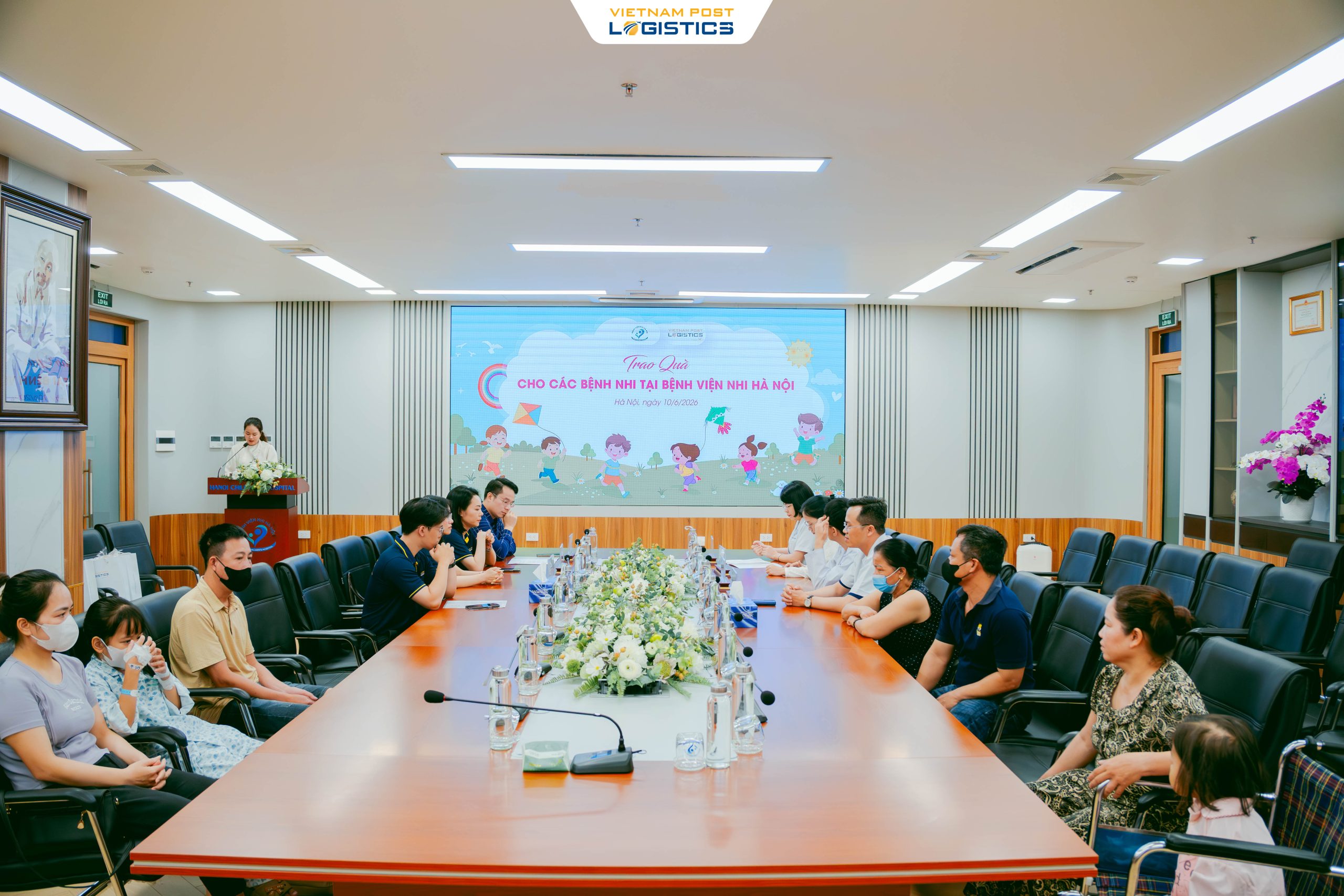
Vietnam Post Logistics Shares Love and Support with Pediatric Patients at Hanoi Children’s Hospital
In response to the Action Month for Children, representatives from the leadership and trade union of Vietnam Post Logistics recently paid a meaningful visit to Hanoi Children’s Hospital. The delegation extended encouragement and presented heartfelt gifts to young patients facing extremely difficult circumstances. This practical initiative is part of the company’s sustainable Corporate Social Responsibility […]