

.svg)




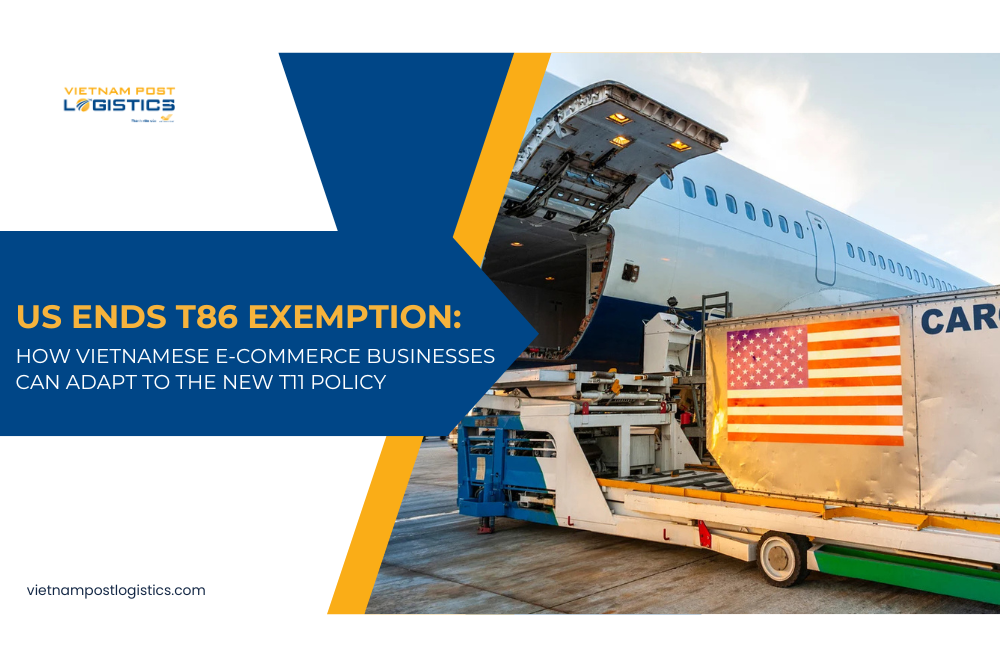
US Ends T86 Exemption: How Vietnamese E-commerce Businesses Can Adapt to the New T11 Policy
 Vietnam Post Logistics
 29 May, 2026
 5 phút đọc
From May 2025, the United States introduced a massive shift in its import policy for e-commerce goods. Previously, small orders valued under $800 were usually exempt from import duties and complex customs procedures. Today, all such shipments must declare a Harmonized System (HS) code and pay full taxes and fees.
This regulatory shift creates significant hurdles for Vietnamese enterprises exporting to the US, leading to rising costs, complex paperwork, and a higher risk of delivery delays.
Why is the US tightening its borders? How will this change impact your business, and what must online sellers do to survive? This comprehensive guide provides an objective, detailed breakdown of the new US e-commerce import policy to help your business find optimal solutions.
Understanding the Shift: From Type 86 (T86) to Type 11 (T11)
To visualize this, imagine sending goods to the US is like passing through a border checkpoint. Previously, carrying small, low-value gifts allowed you to take a fast-track no declaration lane. That was T86. Moving forward, this shortcut is closed—every shipment must enter the official lane, present paperwork, undergo inspections, and pay duties. That is T11.
T86 – The Green Lane for E-commerce (De Minimis)
- Applicable to: Low-value e-commerce shipments (typically under $800).
- Benefits: Exempt from import duties and customs processing fees.
- Procedure: Fast clearance, requiring only basic data entry.
- Impact: Deemed the primary catalyst for the cross-border e-commerce boom in the US between 2020 and 2024.
T11 – The Mandatory Declaration ModeApplicable to:
- Small-value goods, but with strict entry requirements.
- Documentation: Businesses must provide an accurate HS code for every single product.
- Financials: Mandatory payment of import duties and the Merchandise Processing Fee (MPF).
- Procedure: Subject to rigorous customs inspections and complex paperwork. In short: T86 = Tax-free amp; effortless; T11 = Taxable amp; paperwork-heavy.
Why Did the US Eliminate the T86 Exemption?
The decision to scrap a policy that benefited millions of global sellers was driven by three critical factors:
1. Sophisticated Trade Fraud
Many businesses (particularly from China) abused the T86 loophole by splitting large commercial shipments into countless micro-orders valued below $800 to evade taxes. This created an unfair playing field and severely hurt US domestic businesses.
2. Massive Tax Revenue Losses
Cross-border e-commerce into the US has grown exponentially, bringing in tens of billions of dollars worth of low-value goods annually. Continuing the tax exemption would mean losing a massive source of national budget revenue.
3. Product Quality and Safety Control
Sensitive categories—such as cosmetics, dietary supplements, pharmaceuticals, and electronics—carry inherent consumer safety risks. By bypassing traditional customs, counterfeit, substandard, or unsafe goods easily flooded the US market. Shifting to T11 allows US authorities to police incoming inventory much more effectively.
The Direct Impact on Vietnamese Exporters
The transition from T86 to T11 is not just a minor administrative tweak ; it represents a brand-new set of rules for the US marketplace. Vietnamese e-commerce businesses will feel the impact across four major areas:
- Surging Costs: A T-shirt worth $30 previously entered the US duty-free under T86. Under T11, that same item faces a 15–20% import tax (depending on the product category) plus the MPF fee. Across thousands of monthly orders, this causes costs to skyrocket.
- Complex Administrative Burden: Sellers must assign a precise HS code to every item. Misclassifications can lead to customs holds, heavy fines, or forced return-to-sender scenarios.
- Logistical Delays: Shipments face a higher probability of physical inspections. If documentation is unclear, custom clearance will lag, damaging the delivery experience for US consumers.
- Fiercer Competition: Competitors from China and other regions with advanced international fulfillment networks will adapt rapidly. Meanwhile, many Vietnamese SMEs may struggle to adjust to the rigorous workflow.
5 Strategies for Vietnamese Businesses to Adapt and Thrive
While this policy update is a disruption, it also acts as a filter that rewards professional operations. Sitting idle means losing your market share. To successfully pivot, e-commerce brands should implement these 5 strategies:
1. Standardize HS Codes for All Products
Misclassifying an item is the biggest financial risk under T11. A wrong HS code results in penalties or overpaid taxes.
- Action item: Thoroughly study US customs classification rules, as they can differ from Vietnams system.
- Action item: Build a standardized, regularly updated HS code master list for your inventory. Consult customs experts or reliable logistics providers right from the start.
- Example: A cotton T-shirt may carry different tax rates depending on whether it is classified as casual wear or sportswear, altering the duty rate by several percentage points.
2. Recalculate Pricing and Profit Margins
Under T11, duties and customs fees are non-negotiable operational expenses. Failing to account for them will instantly erode profit margins.
- Action item: Map the latest US tariff schedules against your product catalog. Factor taxes and MPF directly into your retail price.
- Action item: Audit your portfolio; determine which items remain profitable and phase out those that are no longer viable.
- Pro-Tip: Instead of competing on cheap, low-margin products (which lose all advantages when hit with a 20% tax), pivot toward niche, high-quality products with higher profit margins
3. Optimize the Supply Chain and Logistics Network
Efficient logistics will dictate whether your business model remains viable.
- Action item: Utilize bonded warehouses or fulfillment centers in transit hubs or the US to consolidate cargo, lowering per-unit shipping fees.
- Action item: Partner with freight carriers heavily experienced in T11 entries to minimize customs delays.
- Action item: Strategize seasonal shipping early (especially ahead of Black Friday and Christmas) to avoid holiday port congestion.
- Example: A Vietnamese business can ship bulk freight to a US fulfillment warehouse under a single customs entry, saving on processing fees. Once in the US, orders are split and fulfilled domestically, ensuring rapid delivery times.
4. Train Internal Import-Export Staff
An untrained team leads to paperwork errors, resulting in expensive delays and fines.
- Action item: Educate your operations team on HS codes, US tariff structures, and T11/T01 procedures.
- Action item: Run internal workshops or hire customs consultants to stay updated on policy amendments.
- Action item: Standardize a crisis-management workflow for handling customs holds or tax disputes. A minor clerical error—like missing a value by a few dollars—can freeze an entire shipment for days.
5. Collaborate with Professional Logistics Partners
Instead of navigating foreign trade laws alone, SMEs should leverage the infrastructure of seasoned international logistics companies.
- Action item: Select partners with a robust global network who understand the intricacies of US import compliance.
- Action item: Look for end-to-end service packages covering customs clearance, freight, warehousing, and cross-border fulfillment.
This is where specialized operators like Vietnam Post Logistics come into play. They dont just ensure accurate T11 filings; they optimize your entire supply chain to guarantee your goods reach US customers quickly and safely.
Leverage Vietnam Post Logistics to Overcome T11 Barriers
Equipped with an expansive global transit network and years of expertise in cross-border e-commerce logistics, Vietnam Post Logistics serves as a trusted partner for Vietnamese enterprises.
Vietnam Post Logistics helps businesses seamlessly navigate the end of the T86 policy through targeted solutions:
- T11/T01 Compliant Customs Clearance: Ensures exact HS code allocation and flawless documentation to eliminate fines or customs holds. Global Warehousing amp;
- Fulfillment: Connects integrated infrastructure across Vietnam, China, and the US for cargo consolidation and rapid order processing.
- Tax Consulting amp; Cost Optimization: Assists brands in forecasting tariff impacts to recalibrate competitive pricing models.
- End-to-End Cross-Border E-commerce Solutions: Handles everything from first-mile freight and warehousing to final-mile delivery to the US consumer’s doorstep.
The transition from T86 to T11 is undoubtedly a paradigm shift, but it serves as a wake-up call for Vietnamese businesses to professionalize their cross-border e-commerce operations. Brands that move quickly to standardize their workflows and align with elite logistics partners will not only survive this policy shift but secure a sustainable, highly profitable foothold in the US market.
Bài viết liên quan
10 October, 2026
Southern Trucking Services: Relieving Peak Season Port and Airport Congestion
As the year-end peak season approaches, trading activity across Southern Vietnam’s key economic zone reaches record levels. Major seaport complexes like Cat Lai and Cai Mep – Thi Vai, alongside key air cargo gateways in the Ho Chi Minh City area, experience heavy inbound cargo flows to supply holiday production and distribution networks. However, revenue […]

10 October, 2026
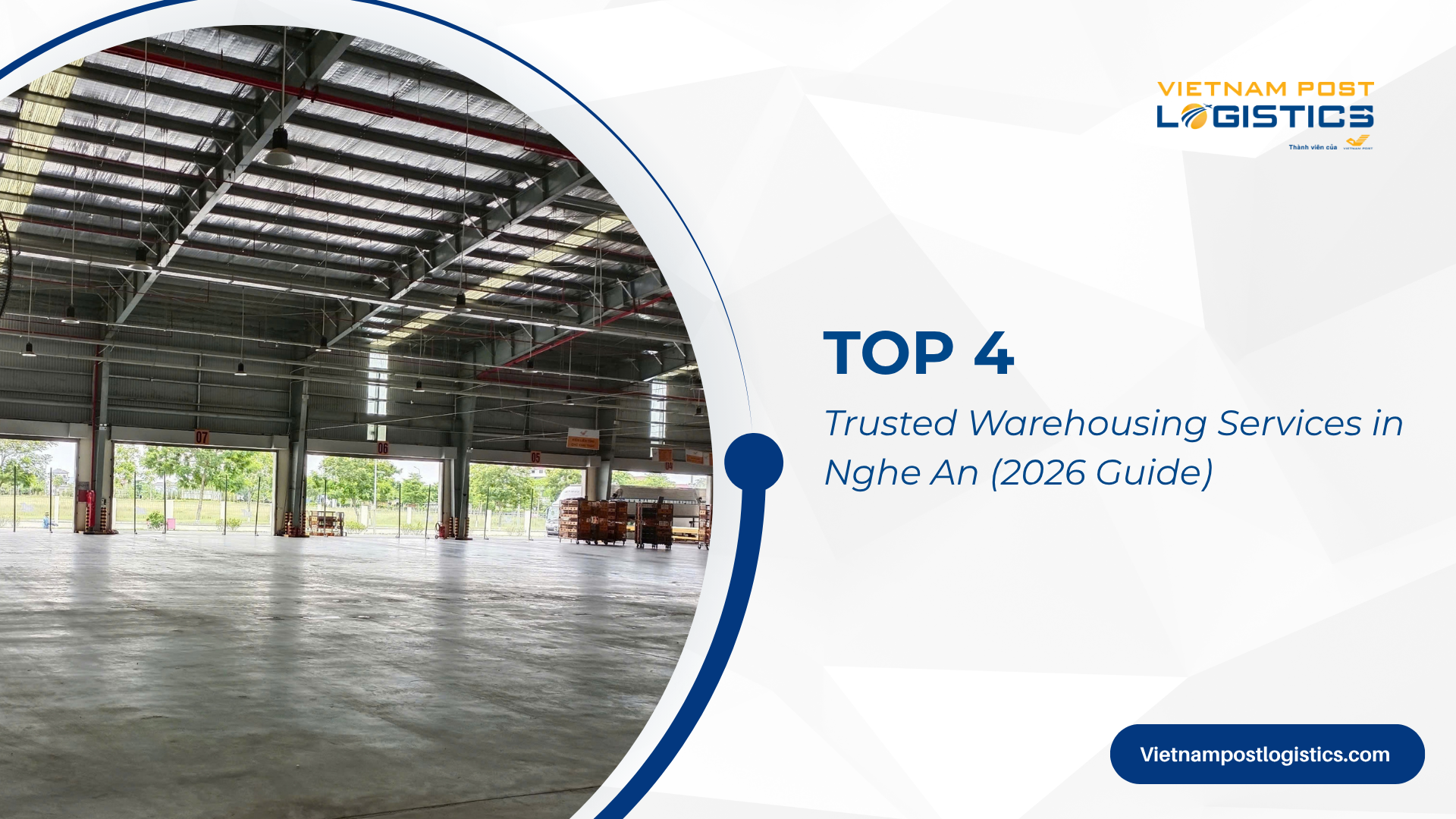
Top 4 Trusted Warehousing Services in Nghe An (2026 Guide)
10 October, 2026
Top 4 Trusted Warehousing Services in Nghe An (2026 Guide)
The surge in Foreign Direct Investment (FDI) and the ongoing industrial shift in North Central Vietnam are rapidly transforming Nghe An into a key regional logistics hub. For major manufacturing, trading, and distribution enterprises (Key Accounts/FDI clients), finding a reputable provider of warehousing services in Nghe An with high technical standards to serve as a […]
4 October, 2026
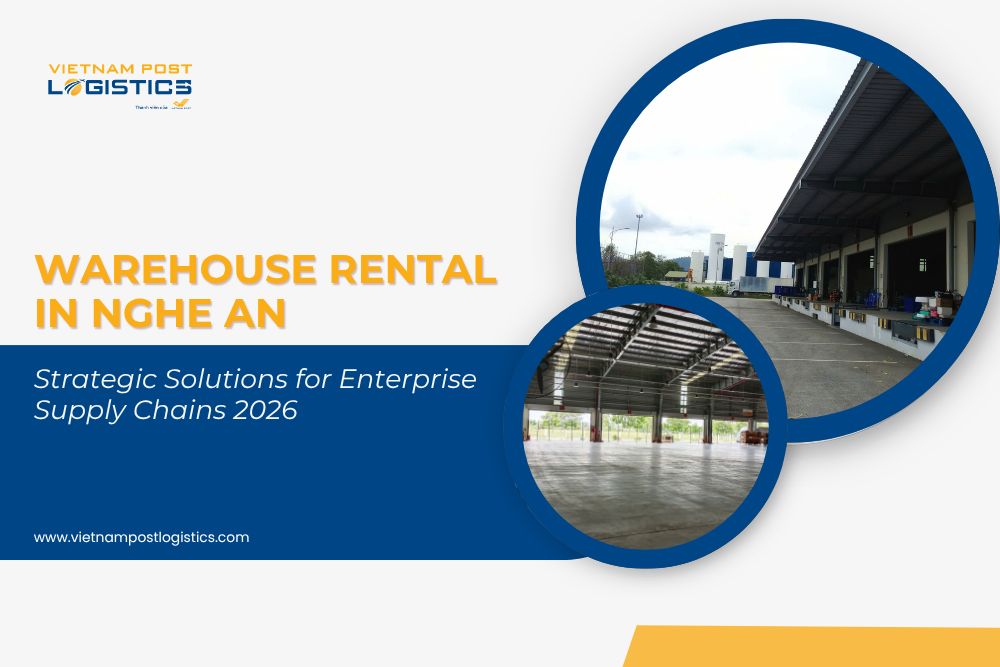
Warehouse Rental in Nghe An: Strategic Solutions for Enterprise Supply Chains 2026
The surge in foreign direct investment (FDI) and manufacturing activity across North Central Vietnam is driving a strong demand among enterprise clients for large-scale storage space. However, finding a reliable warehouse rental in Nghe An that satisfies rigorous technical standards, offers optimal transportation connectivity, and provides professional operational capabilities to serve as a regional distribution […]
6 August, 2026
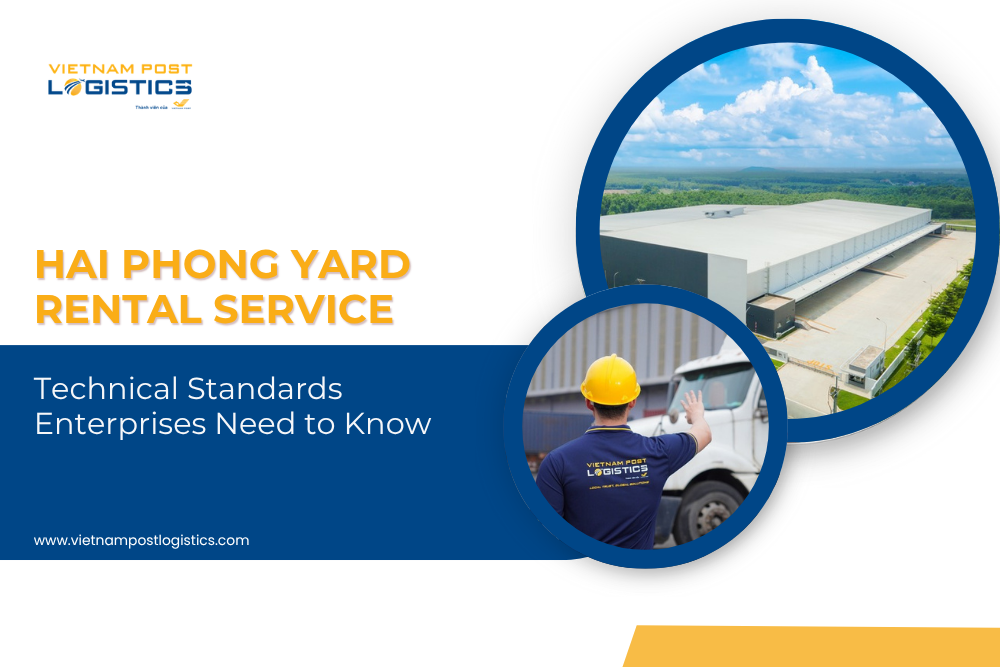
Hai Phong Yard Rental Service & Technical Standards Enterprises Need to Know
Currently, concerns about flooding during the stormy season, expensive DEM/DET penalty fees, and the shortage of standard off-dock buffer yards are creating immense pressure on the supply chain in Hai Phong. Perfectly meeting these strict requirements, the Hai Phong yard rental service by Vietnam Post Logistics provides a vast open yard space, high load-bearing foundation, […]
6 August, 2026
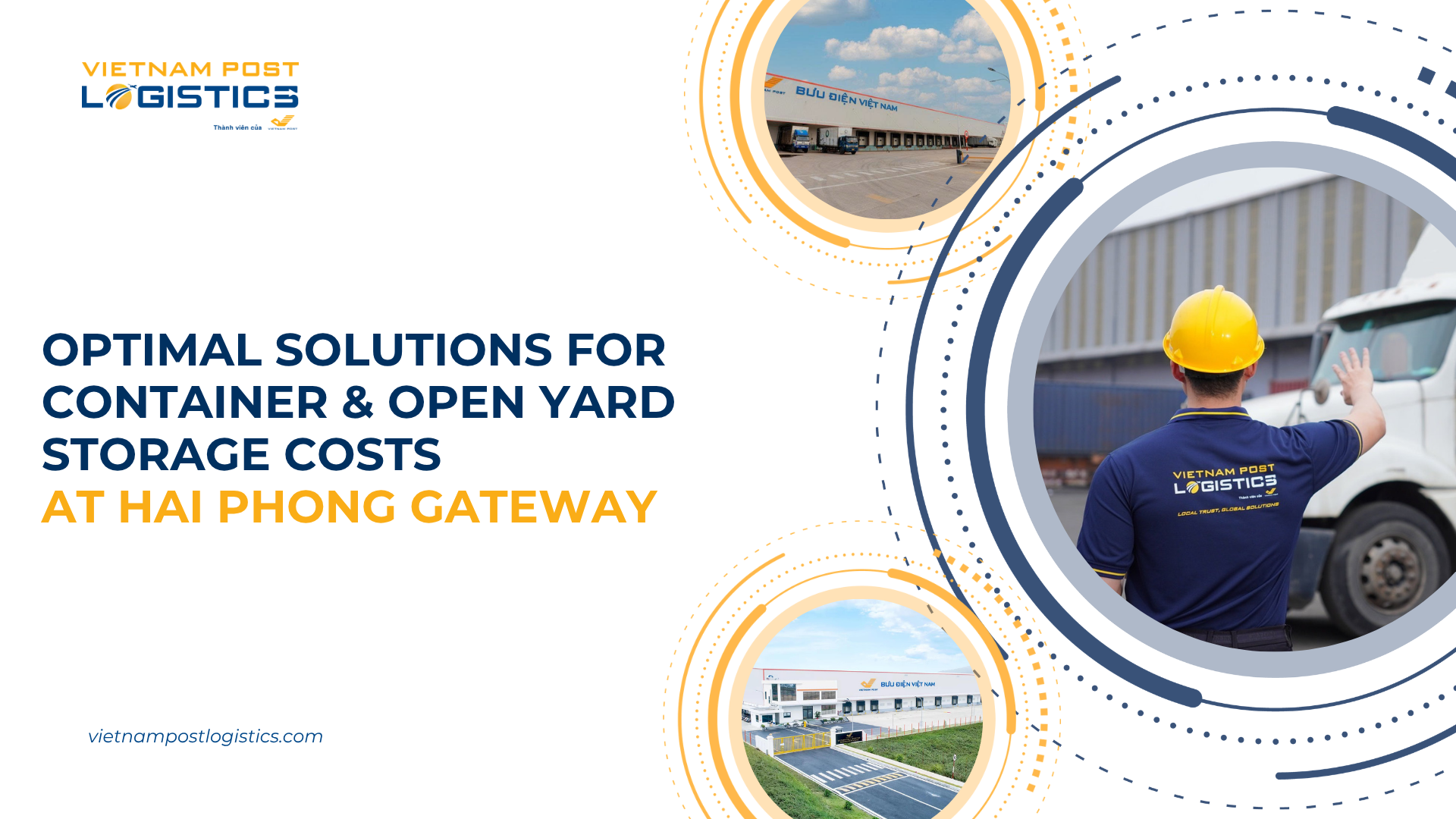
OPTIMAL SOLUTIONS FOR CONTAINER AND OPEN YARD STORAGE COSTS AT HAI PHONG GATEWAY
In the supply chain management problem at the Hai Phong gateway, choosing the wrong storage infrastructure can turn a profitable shipment into a loss due to storage fees. With main port yards constantly overloaded and indoor warehouses limited by both load capacity and height, the Off-Dock Open Yard model emerges as a perfect alternative solution. […]
15 July, 2026
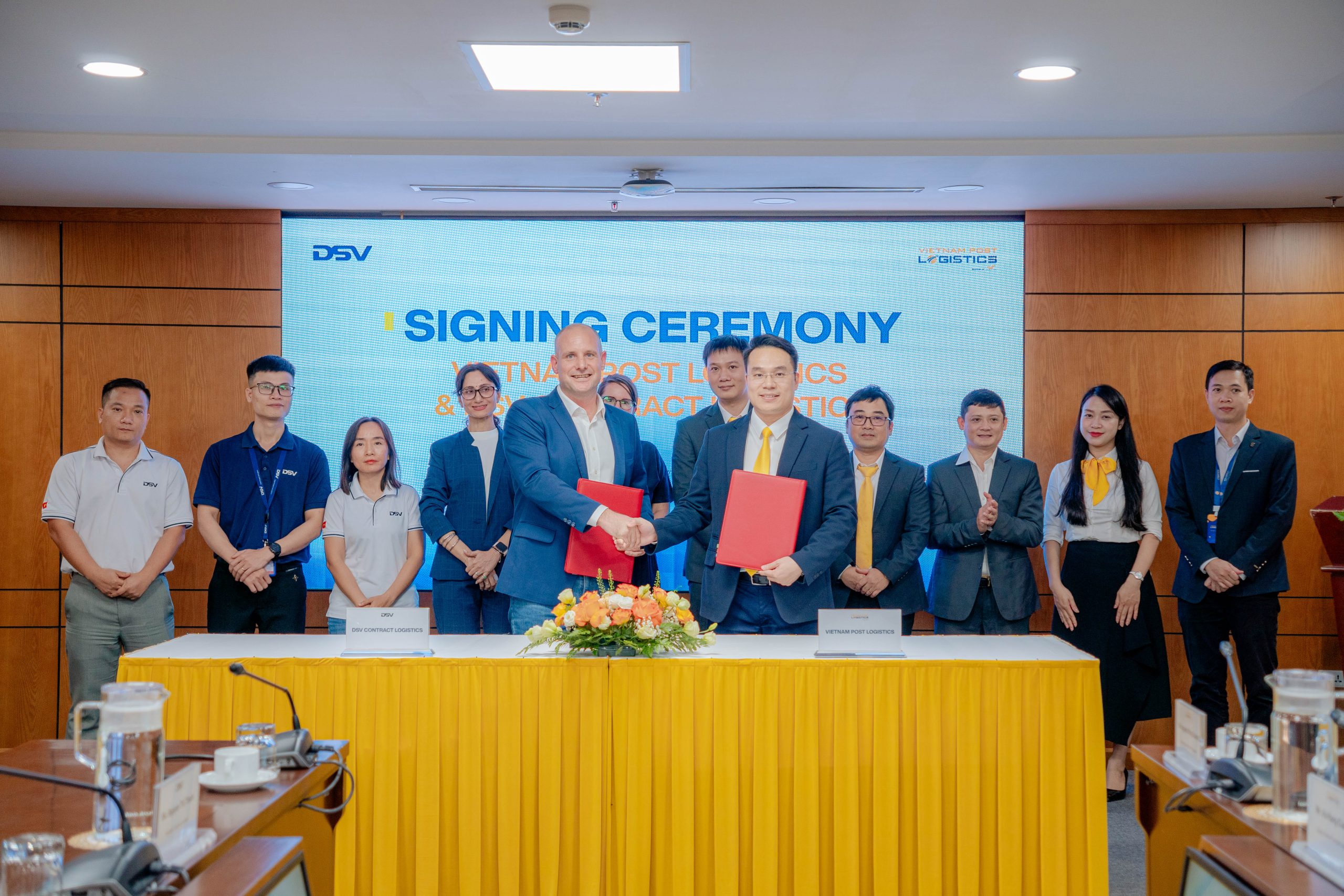
A Strategic Handshake Between Vietnam Post Logistics and DSV Contract Logistics (Vietnam): Pioneering the Future of B2B Supply Chains
On the afternoon of July 13, 2026, the Principal Contract Renewal Ceremony between Vietnam Post Logistics and DSV Contract Logistics (Vietnam) officially took place in a distinguished and proud atmosphere. This event attracted special attention, not only because of the scale of the two enterprises but also due to the profound impact of this partnership […]
11 June, 2026
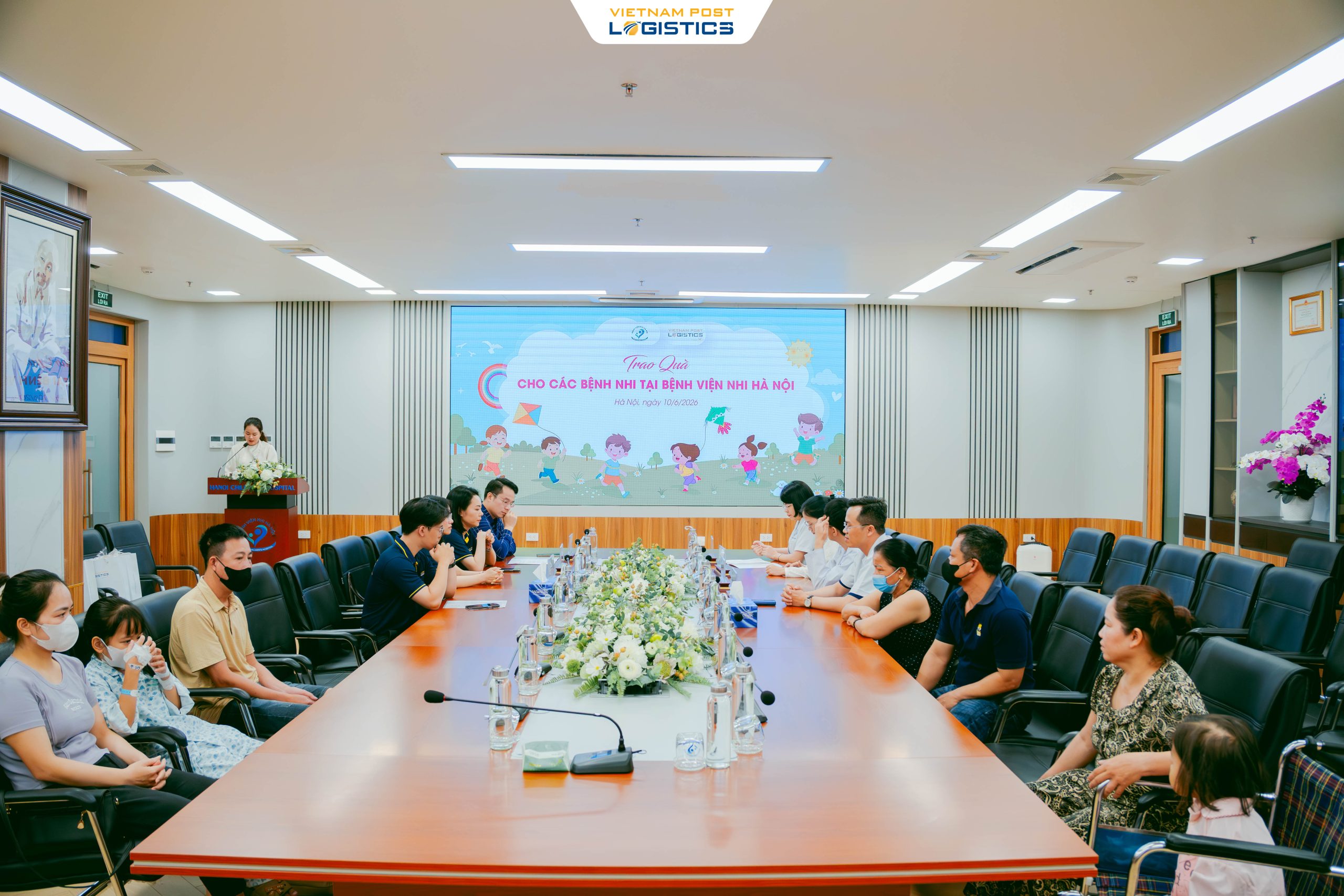
Vietnam Post Logistics Shares Love and Support with Pediatric Patients at Hanoi Children’s Hospital
In response to the Action Month for Children, representatives from the leadership and trade union of Vietnam Post Logistics recently paid a meaningful visit to Hanoi Children’s Hospital. The delegation extended encouragement and presented heartfelt gifts to young patients facing extremely difficult circumstances. This practical initiative is part of the company’s sustainable Corporate Social Responsibility […]