

.svg)




E-commerce in the Fashion Industry & The Fulfillment Problem
 Vietnam Post Logistics
 16 July, 2025
 5 phút đọc
The fashion industry is entering a fiercely competitive phase in the digital environment. Consumers are increasingly prioritizing online shopping experiences that are fast, personalized, and convenient. E-commerce has therefore become a primary channel for many brands, from domestic to global.
However, along with the opportunity to expand the market comes numerous operational challenges: complex SKU management, high return rates, and pressure for fast delivery. This is where the fulfillment problem becomes a key factor determining sustainable growth.
The Strong Growth Picture of the Online Fashion Industry
According to data from Statista, the global revenue of the online fashion industry surpassed $970 billion in 2024 and is projected to reach $1.2 trillion by 2027. This is no longer a temporary trend but has become a pillar in the global consumer ecosystem.

It’s noteworthy that the fashion e-commerce market is not only developing in developed countries like the US, Germany, and the UK, but is also rapidly expanding in emerging markets such as Southeast Asia, India, and Africa. The growth of platforms like TikTok Shop, Shopee, Lazada, Amazon, and Zalando has helped millions of brands, from small to large, reach consumers with just a few clicks.
Mobile phones are the dominant shopping channel: a 2024 survey showed that over 78% of online fashion transactions were conducted via mobile devices, indicating that immediacy and convenience are two key factors driving today’s shopping behavior.
Why is E-commerce an Inevitable Trend for the Fashion Industry?
The fashion industry is characterized by rapid changes according to seasons, tastes, and cultural trends, which the e-commerce model addresses significantly better than traditional retail.
Changing Consumer Behavior
Customers – especially Millennials and Gen Z – prefer online shopping due to its convenience, personalization capabilities, and seamless experience from product and imagery to payment. According to McKinsey, 83% of consumers under 35 years old choose to buy fashion via phone rather than going to a store.
Unlimited Market Expansion Opportunities
Businesses can sell across borders without needing to open physical stores. With just a brand website, integrated payment gateway, and fulfillment platform, businesses can sell from Asia to Europe in a few days.
Optimized Management and Decision Making
E-commerce allows for real-time measurement of campaign effectiveness and customer demand, thereby enabling inventory control, price adjustments, personalized promotions, etc., all within an integrated system.
Specific Challenges in the Fashion Industry When Selling Online
Complex Product Variant Management
Each fashion product often has many variants (colors, sizes, materials). Even a small brand can have thousands of SKUs, causing significant pressure in managing inventory, updating stock, and processing orders.
High Return Rates
The fashion industry has a return rate of 20%-45% due to issues such as incorrect size, color not matching the image, or material not meeting expectations. Poor return handling will reduce customer experience and increase operating costs.
Pressure for Fast Delivery and Good Experience
Buyers expect:
- Delivery within 2-3 days
- Careful, branded packaging
- Simple, hassle-free returns
This creates significant pressure if businesses do not yet have a modern and specialized operational process.
Suitable E-commerce Platforms for the Fashion Industry
D2C Website
Increases control over customer experience, builds brand, and collects buyer data for re-marketing. D2C is very suitable for fashion brands looking to build a loyal customer base and optimize sales costs.
E-commerce Marketplaces (Shopee, Lazada, Amazon, Zalando, etc.)
Amazon, Shopee, Lazada, Zalando, etc., are fast-growing channels with huge traffic. However, profit margins are often low, and user experience is difficult to control.
Social Commerce (TikTok Shop, Instagram, Facebook Shop, etc.)
Selling combined with entertainment, especially effective for the fashion industry due to its visual nature and high interaction. Livestream selling, real experience reviews, and outfit suggestions are creating an explosive shopping trend.
Technology & Operations Trends in Fashion E-commerce
Artificial Intelligence & Personalized Recommendations
AI analyzes behavior and recommends suitable products based on purchase history, geographical area, weather, etc., helping to increase conversion rates and retain customers.
Virtual Try-on Technology (AR/VR)
Reduces returns by helping customers visualize the product on themselves. Some platforms like Lenskart and ZARA have successfully applied this technology.
Automated Warehouse & Order Management Systems (OMS/WMS)
Helps synchronize inventory across sales channels, warns of phantom stock, and automates packing, label printing, and order processing in real-time.
Fulfillment – An Indispensable Piece for Sustainable E-commerce Development in the Fashion Industry
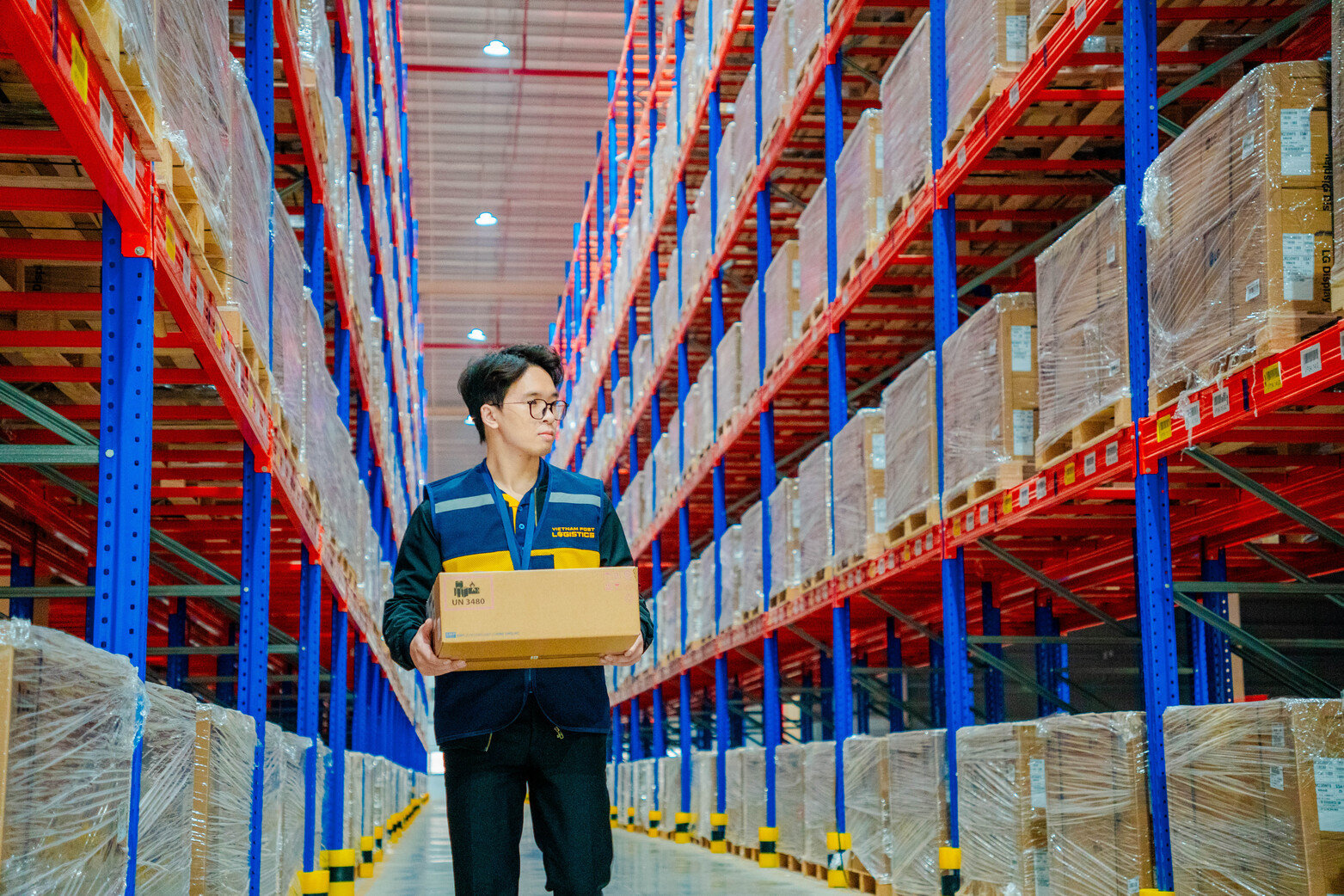
Currently, Fulfillment is not just a logistics service but a vital foundation for fashion brands to grow rapidly, stably, and flexibly. Fulfillment plays a central role in connecting the fashion supply chain from designers – production factories – central warehouses – to the end consumers.
Having an optimized fulfillment model helps businesses deploy flash sales campaigns, livestreams, or launch new collections without worrying about operational bottlenecks. Furthermore, when businesses expand into international markets, fulfillment helps standardize order processing, from packaging according to standards to customs declarations, and also supports integrating local logistics platforms for fast delivery and cost reduction.
With a technology-integrated fulfillment model, fashion businesses can also track the order journey in real-time and automatically send emails/SMS to customers when orders are in transit – an important factor that helps increase trust and repeat purchase rates.
Modern fulfillment includes:
- Flexible, secure warehousing with temperature and humidity control suitable for fabrics
- Customized packaging according to brand requirements: zip bags, eco-friendly bags, and custom logos
- Automated order processing from multiple channels (web, marketplace, social)
- Super-fast, cross-border delivery with an international logistics network
- Flexible return and size exchange support
Specific benefits:
- Reduced fixed operating costs
- Shortened delivery times
- Enhanced shopping experience
- Helps businesses focus on products and brands
Online Fashion Sales: A Race of Speed and Experience
E-commerce has become a strategic growth frontier for the global fashion industry. However, to succeed and be sustainable, businesses not only need to focus on design and marketing, but also must invest correctly in logistics and operations.
Modern fulfillment is the solution that helps fashion brands overcome traditional operational limitations, reach the global market, and deliver a truly differentiated customer experience. Businesses that possess flexible, technologically advanced operational chains will be the winners in the modern online fashion race.
Bài viết liên quan
10 October, 2026
Southern Trucking Services: Relieving Peak Season Port and Airport Congestion
As the year-end peak season approaches, trading activity across Southern Vietnam’s key economic zone reaches record levels. Major seaport complexes like Cat Lai and Cai Mep – Thi Vai, alongside key air cargo gateways in the Ho Chi Minh City area, experience heavy inbound cargo flows to supply holiday production and distribution networks. However, revenue […]

10 October, 2026
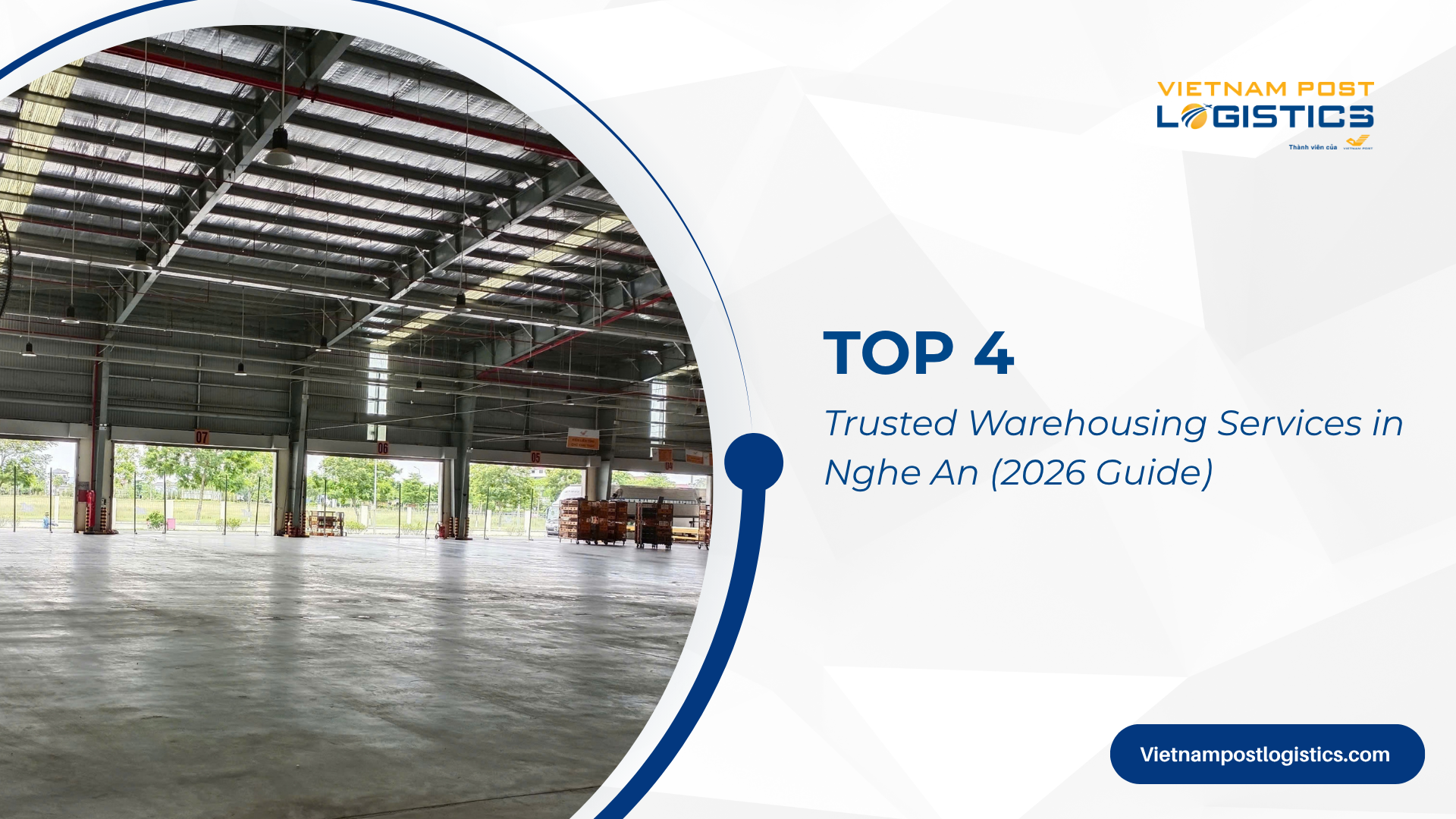
Top 4 Trusted Warehousing Services in Nghe An (2026 Guide)
10 October, 2026
Top 4 Trusted Warehousing Services in Nghe An (2026 Guide)
The surge in Foreign Direct Investment (FDI) and the ongoing industrial shift in North Central Vietnam are rapidly transforming Nghe An into a key regional logistics hub. For major manufacturing, trading, and distribution enterprises (Key Accounts/FDI clients), finding a reputable provider of warehousing services in Nghe An with high technical standards to serve as a […]
4 October, 2026
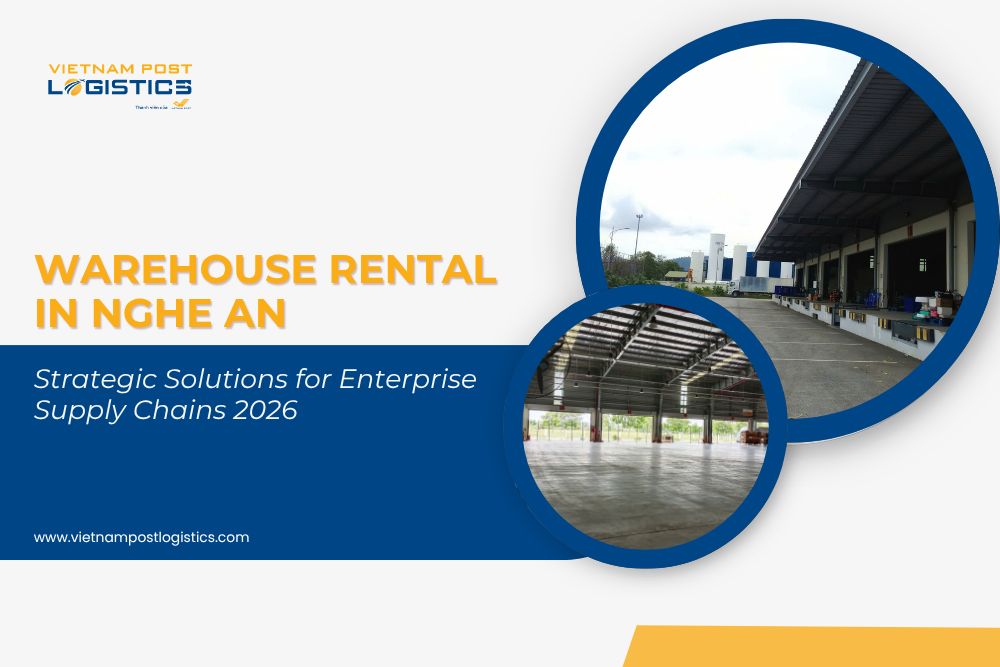
Warehouse Rental in Nghe An: Strategic Solutions for Enterprise Supply Chains 2026
The surge in foreign direct investment (FDI) and manufacturing activity across North Central Vietnam is driving a strong demand among enterprise clients for large-scale storage space. However, finding a reliable warehouse rental in Nghe An that satisfies rigorous technical standards, offers optimal transportation connectivity, and provides professional operational capabilities to serve as a regional distribution […]
6 August, 2026
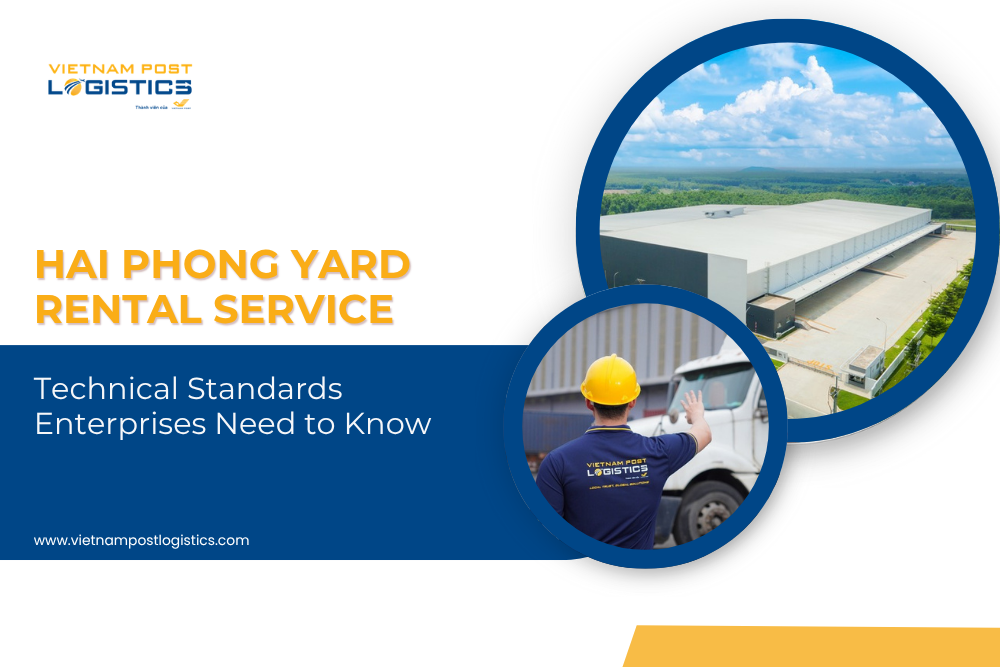
Hai Phong Yard Rental Service & Technical Standards Enterprises Need to Know
Currently, concerns about flooding during the stormy season, expensive DEM/DET penalty fees, and the shortage of standard off-dock buffer yards are creating immense pressure on the supply chain in Hai Phong. Perfectly meeting these strict requirements, the Hai Phong yard rental service by Vietnam Post Logistics provides a vast open yard space, high load-bearing foundation, […]
6 August, 2026
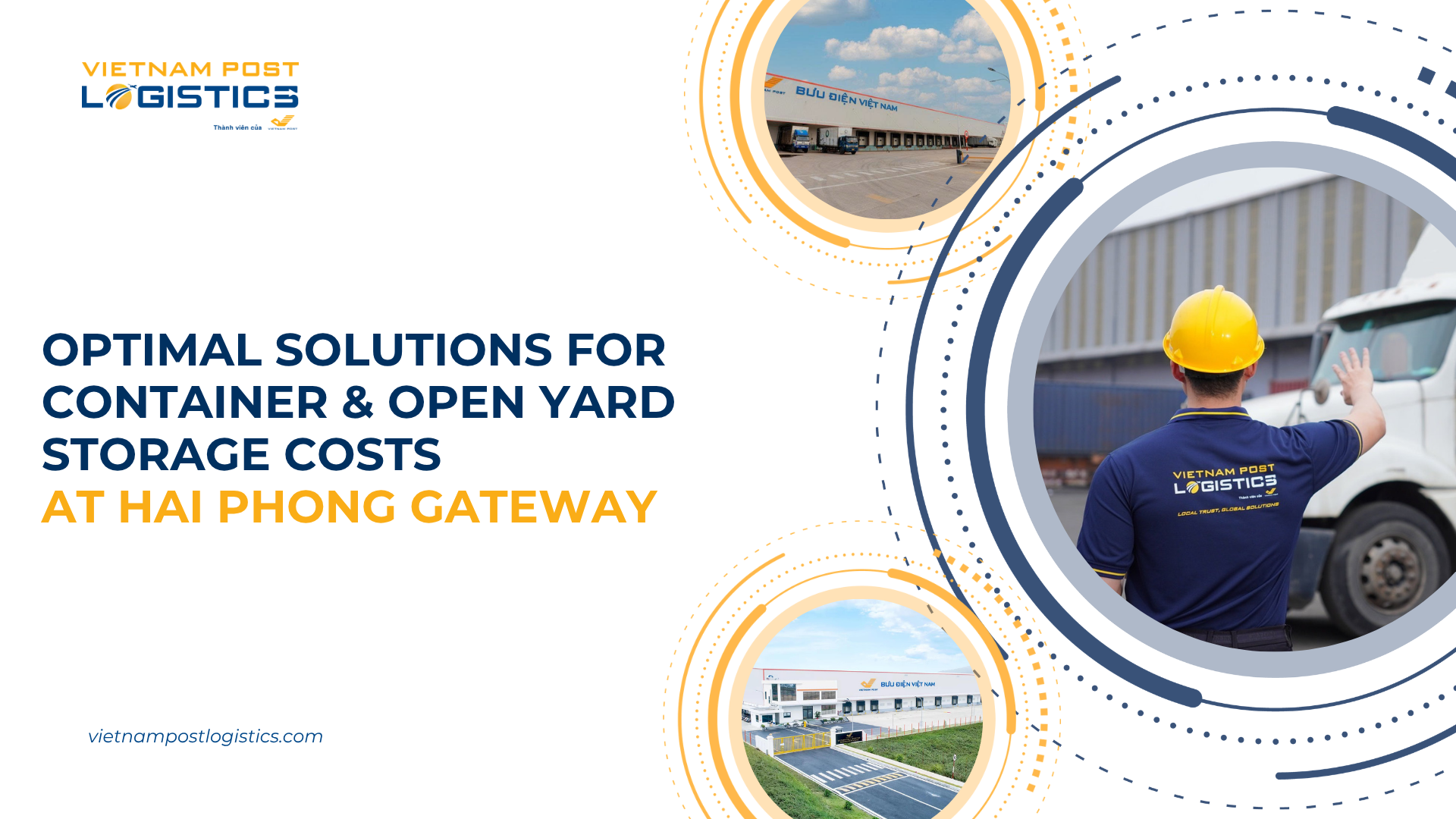
OPTIMAL SOLUTIONS FOR CONTAINER AND OPEN YARD STORAGE COSTS AT HAI PHONG GATEWAY
In the supply chain management problem at the Hai Phong gateway, choosing the wrong storage infrastructure can turn a profitable shipment into a loss due to storage fees. With main port yards constantly overloaded and indoor warehouses limited by both load capacity and height, the Off-Dock Open Yard model emerges as a perfect alternative solution. […]
15 July, 2026
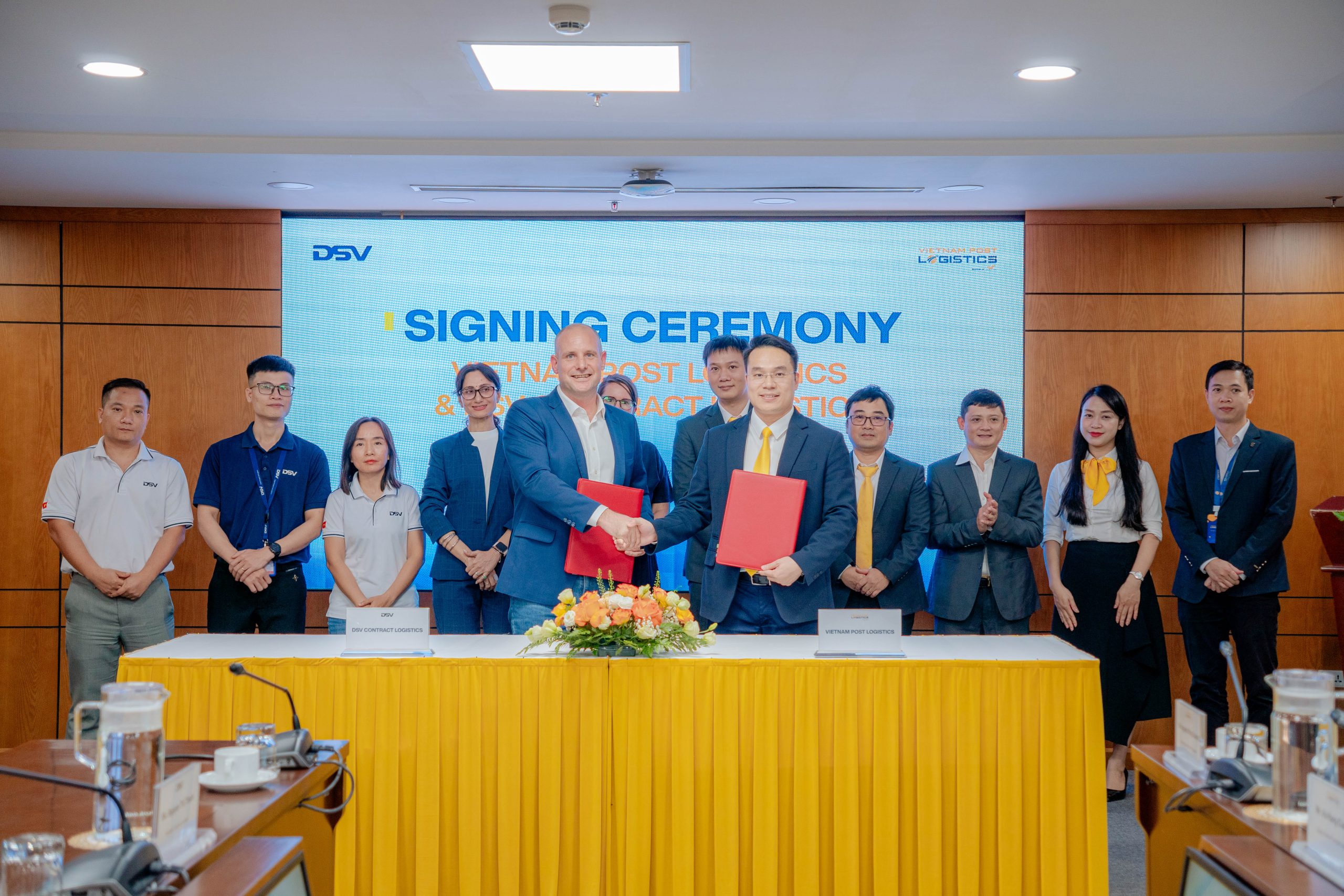
A Strategic Handshake Between Vietnam Post Logistics and DSV Contract Logistics (Vietnam): Pioneering the Future of B2B Supply Chains
On the afternoon of July 13, 2026, the Principal Contract Renewal Ceremony between Vietnam Post Logistics and DSV Contract Logistics (Vietnam) officially took place in a distinguished and proud atmosphere. This event attracted special attention, not only because of the scale of the two enterprises but also due to the profound impact of this partnership […]
11 June, 2026
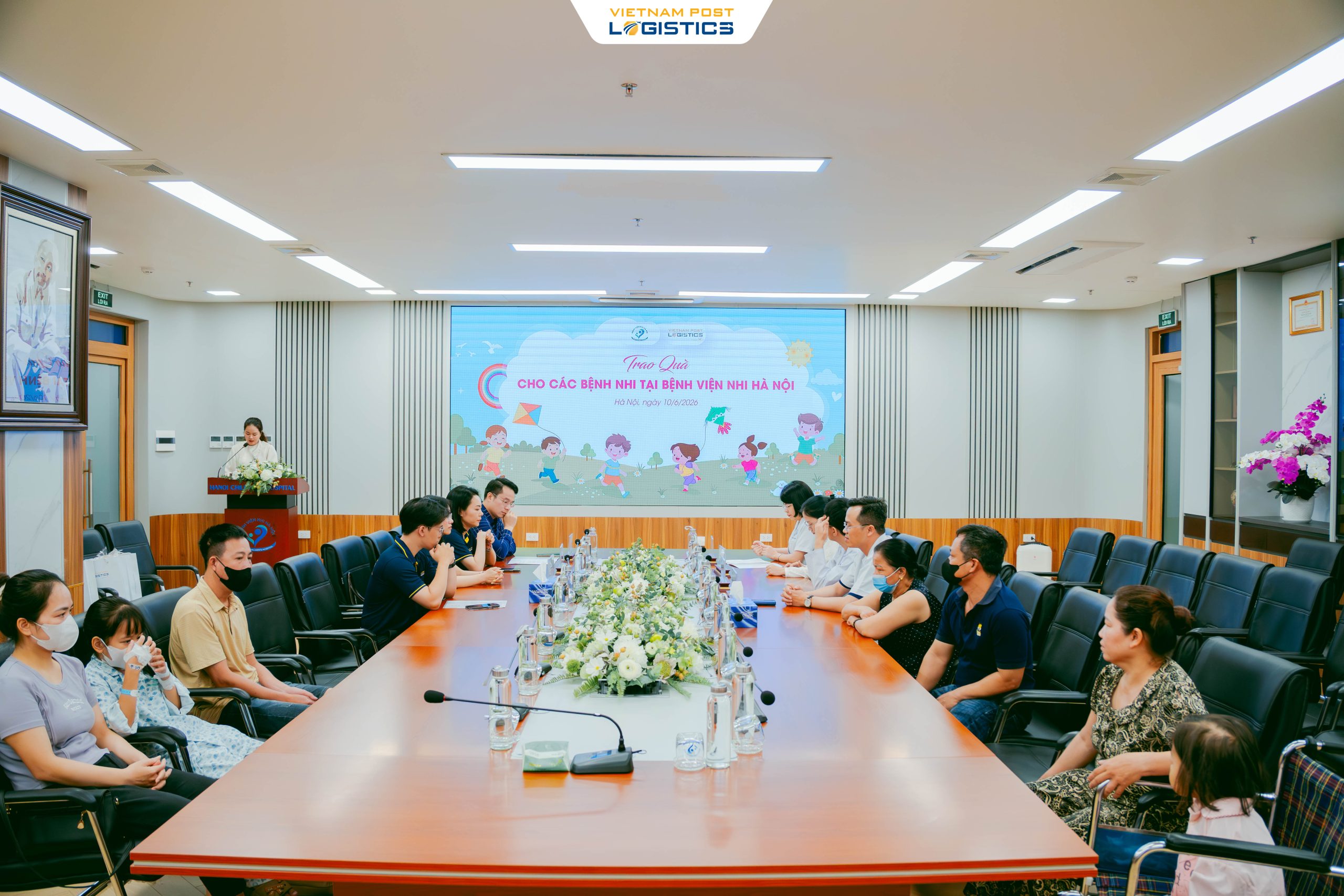
Vietnam Post Logistics Shares Love and Support with Pediatric Patients at Hanoi Children’s Hospital
In response to the Action Month for Children, representatives from the leadership and trade union of Vietnam Post Logistics recently paid a meaningful visit to Hanoi Children’s Hospital. The delegation extended encouragement and presented heartfelt gifts to young patients facing extremely difficult circumstances. This practical initiative is part of the company’s sustainable Corporate Social Responsibility […]