

.svg)




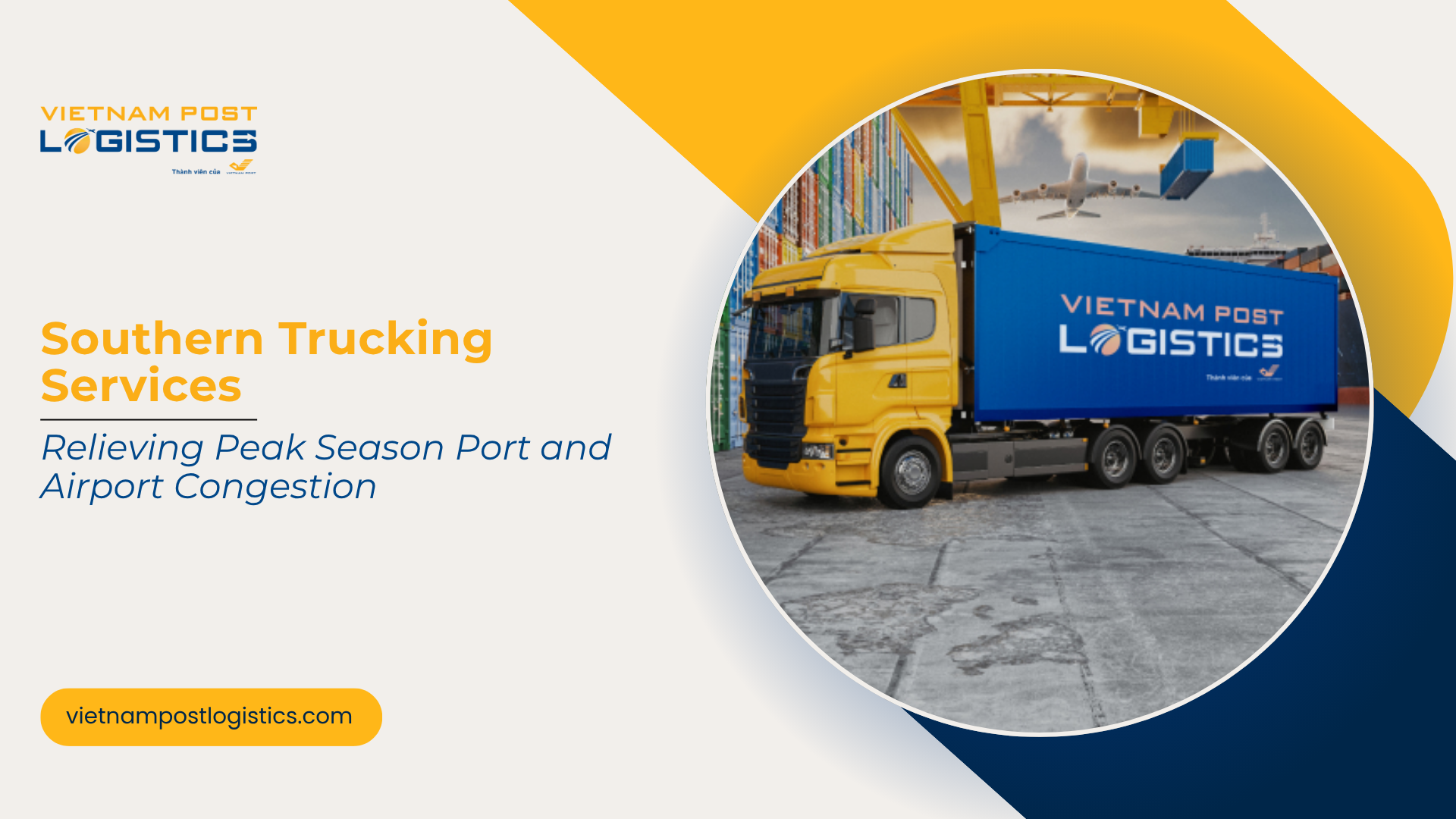
Southern Trucking Services: Relieving Peak Season Port and Airport Congestion
 Vietnam Post Logistics
 10 October, 2026
 5 phút đọc
As the year-end peak season approaches, trading activity across Southern Vietnam’s key economic zone reaches record levels. Major seaport complexes like Cat Lai and Cai Mep – Thi Vai, alongside key air cargo gateways in the Ho Chi Minh City area, experience heavy inbound cargo flows to supply holiday production and distribution networks. However, revenue growth opportunities come with severe strain on first-mile road transport infrastructure and capacity.
Failing to clear cargo arriving at border gates and seaports promptly creates critical bottlenecks, soaring demurrage costs, and potential supply chain disruptions. This article analyzes the operational landscape in Southern Vietnam and introduces comprehensive Southern trucking services from Vietnam Post Logistics.
Overcrowding at Southern Seaports and Airports During Year-End Peak Season
Southern Vietnam is widely recognized as the country’s economic power engine, logistics hub, and largest international trade gateway. Yet, during the year-end rush, its transport infrastructure faces immense operational pressure, where the line between supply chain continuity and localized paralysis becomes extremely fine.
Heavy Pressure from Concentrated Inbound and Outbound Cargo
From September through the Lunar New Year, activity at deep-water seaport hubs—such as Cat Lai (HCMC) and Cai Mep – Thi Vai (Ba Ria – Vung Tau)—and air cargo terminals at Tan Son Nhat International Airport consistently operates at peak capacity. Port authority statistics indicate that cargo throughput in Southern Vietnam jumps by 30% to 50% during this period compared to monthly averages.
This surge is driven by manufacturers, FDI corporations, and retailers simultaneously importing raw materials, electronic components, and textile accessories to fulfill year-end orders, alongside moving finished goods to consumer markets. This concentrated spike creates a short-term shock in transport demand, forcing logistics infrastructure to operate at 200% of designed capacity.
Bottlenecks at Handover Points and Road Transport Networks
The core bottleneck lies not within container yards or air cargo terminals themselves, but in the external road transport system (first-mile and last-mile trucking). As thousands of containers and tens of thousands of tons of air freight exit port gates daily, main arteries connecting Ho Chi Minh City to neighboring industrial centers—Binh Duong, Dong Nai, Long An, and Ba Ria – Vung Tau—quickly experience prolonged congestion.
Driver wait times for tractors or trucks to access cargo pickup/drop-off points inside ports can extend from a few hours to an entire working day during peak periods. Vehicle turnaround time slows significantly, creating localized truck shortages across the market and delaying overall supply chain velocity.
Direct Impact on B2B Manufacturing and Trading Enterprises
For B2B businesses, failing to evacuate cargo swiftly from seaports or airports during peak season leads to severe financial and operational consequences:
- Surging Incidental Expenses: Port storage fees (Demurrage) and container detention charges (Detention) can accumulate to thousands of USD after just a few days of delay, eroding shipment profit margins.
- Risk of Line-Down Situations: Factories in industrial parks rely heavily on Just-In-Time (JIT) material delivery. Raw material shortages caused by trucking delays can stall production lines, leading to costly contract penalties with international partners.
- Loss of Commercial Reputation: Domestic delivery delays mean missing peak holiday sales windows, directly impacting market share and brand credibility.
Given these systemic challenges, establishing professional Southern trucking services with strong dispatching capability becomes a vital requirement for import-export enterprises during peak periods.
Core Challenges in Managing First-Mile Road Transport
To maintain seamless cargo flows from seaports and airports into inland destinations, supply chain managers must navigate complex operational hurdles:
1. Vehicle Shortages and Rate Volatility
During peak seasons, the sudden spike in import-export freight triggers a widespread shortage of tractor-trailers, skeleton chassis, flatbed trailers, and heavy trucks. Freelance trucking fleets often lack the capacity to supply large volumes of vehicles on short notice.
This supply-demand imbalance drives sharp fluctuations in spot trucking rates on a weekly or daily basis. Manufacturers without long-term master service agreements with major logistics providers risk facing high costs while struggling to secure timely transport.
2. Synchronizing Customs Clearance with Truck Fleet Schedules
First-mile logistics requires precise coordination across customs clearance, cargo inspection, seal application, Delivery Order (DO) collection, and dispatching vehicles into container yards:
- Free demurrage/detention time (Free time) at deep-water ports is strictly limited.
- Minor documentation errors or dispatch delays in entering ports during registered time slots can result in missed vessel schedules and heavy detention penalties.
- Air freight at airport terminals demands even tighter turnarounds measured in hours due to shorter holding windows.
3. Cost Optimization and Asset Safety
Optimizing operational costs while managing large-scale cargo movement requires real-time tracking systems, experienced drivers familiar with local routes, and strict safety compliance. In-transit risks such as traffic accidents, cargo damage, or broken container seals cause direct financial losses and disrupt distribution timelines.
Selection Criteria for Reliable Trucking Providers
To safeguard supply chains against peak season disruptions, B2B enterprises and FDI clients should evaluate logistics partners based on strict operational criteria:
- Asset Ownership and Fleet Scale: Reliable providers must own and maintain dedicated fleets—high-horsepower tractors, chassis, flatbeds, and multi-tonnage trucks—rather than relying entirely on third-party subcontractors. Fleet ownership ensures vehicle availability and prevents plan failures at factory loading docks.
- Operational Expertise in Southern Vietnam: Successful execution requires in-depth knowledge of local routes, seaport access rules (Cat Lai, Cai Mep – Thi Vai), and airport terminal procedures (Tan Son Nhat). Experienced dispatchers navigate time slots and customs steps efficiently, minimizing vehicle wait times and avoiding penalties.
- Real-Time GPS Tracking and Transparency: Modern supply chains demand visibility. Professional trucking partners integrate GPS tracking, dashcams, and Transport Management Systems (TMS) so logistics managers can monitor container movements and accurately forecast arrival times at manufacturing plants.
Comprehensive Southern Trucking Solutions by Vietnam Post Logistics
To address port congestion and support import-export enterprises in Southern Vietnam, Vietnam Post Logistics offers tailored container transport and Southern trucking services.
High-Capacity Fleet and Operational Flexibility
We maintain a large fleet of heavy-duty tractors, specialized chassis, and multi-capacity trucks ready for rapid deployment under emergency orders. Our fleet independence removes truck availability concerns during market-wide shortages, ensuring 24/7 continuous cargo movement from deep-water ports (Cat Lai, Cai Mep – Thi Vai) and Tan Son Nhat airport terminals to industrial centers across Binh Duong, Dong Nai, Long An, and Ho Chi Minh City.
Integrated Port-to-Factory Connection
Our end-to-end operational process maximizes vehicle turnaround times and optimizes free demurrage windows:
- Experienced dispatch teams handle customs coordination, seal logging, and precise port time slot registrations.
- Strict process oversight from container yard access to final delivery at factory gates.
- Eliminates extra demurrage and detention fees, optimizing peak season operational budgets.
Operations Transparency and Cargo Safety
Vietnam Post Logistics combines strict safety management with real-time GPS tracking:
- Enterprise clients can monitor container journeys live via our management portal.
- Professional drivers strictly adhere to road safety and specialized cargo handling standards.
- Ensures complete cargo safety and uninterrupted supply chain performance throughout peak season operations.
Are you seeking a reliable logistics partner to relieve road transport bottlenecks, reduce costs, and secure your supply chain schedule in Southern Vietnam?
Contact Vietnam Post Logistics today for expert consultation on custom container transport and Southern trucking services!
Bài viết liên quan
10 October, 2026
Top 4 Trusted Warehousing Services in Nghe An (2026 Guide)
10 October, 2026
Top 4 Trusted Warehousing Services in Nghe An (2026 Guide)
The surge in Foreign Direct Investment (FDI) and the ongoing industrial shift in North Central Vietnam are rapidly transforming Nghe An into a key regional logistics hub. For major manufacturing, trading, and distribution enterprises (Key Accounts/FDI clients), finding a reputable provider of warehousing services in Nghe An with high technical standards to serve as a […]

4 October, 2026
Warehouse Rental in Nghe An: Strategic Solutions for Enterprise Supply Chains 2026
The surge in foreign direct investment (FDI) and manufacturing activity across North Central Vietnam is driving a strong demand among enterprise clients for large-scale storage space. However, finding a reliable warehouse rental in Nghe An that satisfies rigorous technical standards, offers optimal transportation connectivity, and provides professional operational capabilities to serve as a regional distribution […]
6 August, 2026
Hai Phong Yard Rental Service & Technical Standards Enterprises Need to Know
Currently, concerns about flooding during the stormy season, expensive DEM/DET penalty fees, and the shortage of standard off-dock buffer yards are creating immense pressure on the supply chain in Hai Phong. Perfectly meeting these strict requirements, the Hai Phong yard rental service by Vietnam Post Logistics provides a vast open yard space, high load-bearing foundation, […]
6 August, 2026
OPTIMAL SOLUTIONS FOR CONTAINER AND OPEN YARD STORAGE COSTS AT HAI PHONG GATEWAY
In the supply chain management problem at the Hai Phong gateway, choosing the wrong storage infrastructure can turn a profitable shipment into a loss due to storage fees. With main port yards constantly overloaded and indoor warehouses limited by both load capacity and height, the Off-Dock Open Yard model emerges as a perfect alternative solution. […]
15 July, 2026
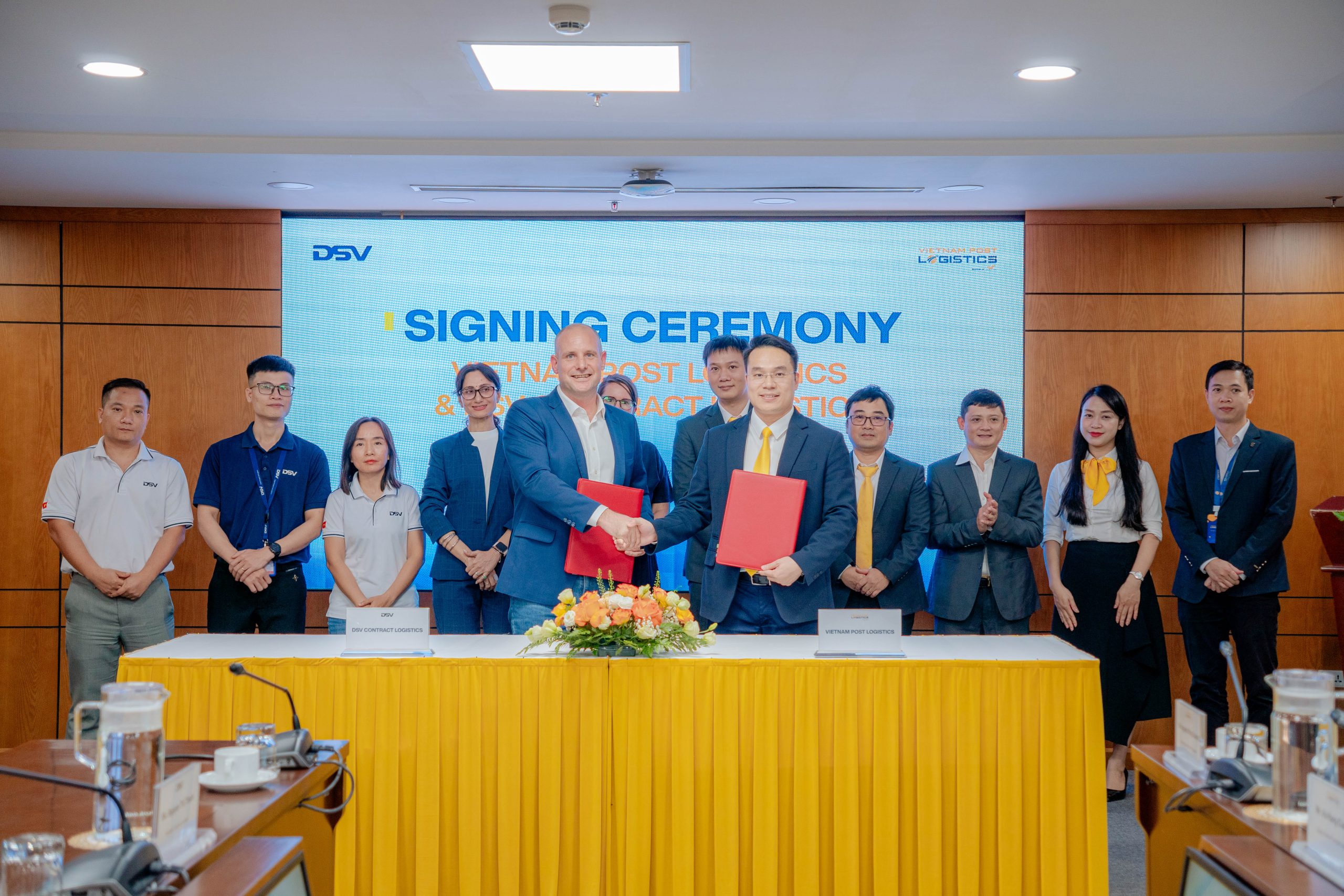
A Strategic Handshake Between Vietnam Post Logistics and DSV Contract Logistics (Vietnam): Pioneering the Future of B2B Supply Chains
On the afternoon of July 13, 2026, the Principal Contract Renewal Ceremony between Vietnam Post Logistics and DSV Contract Logistics (Vietnam) officially took place in a distinguished and proud atmosphere. This event attracted special attention, not only because of the scale of the two enterprises but also due to the profound impact of this partnership […]
11 June, 2026
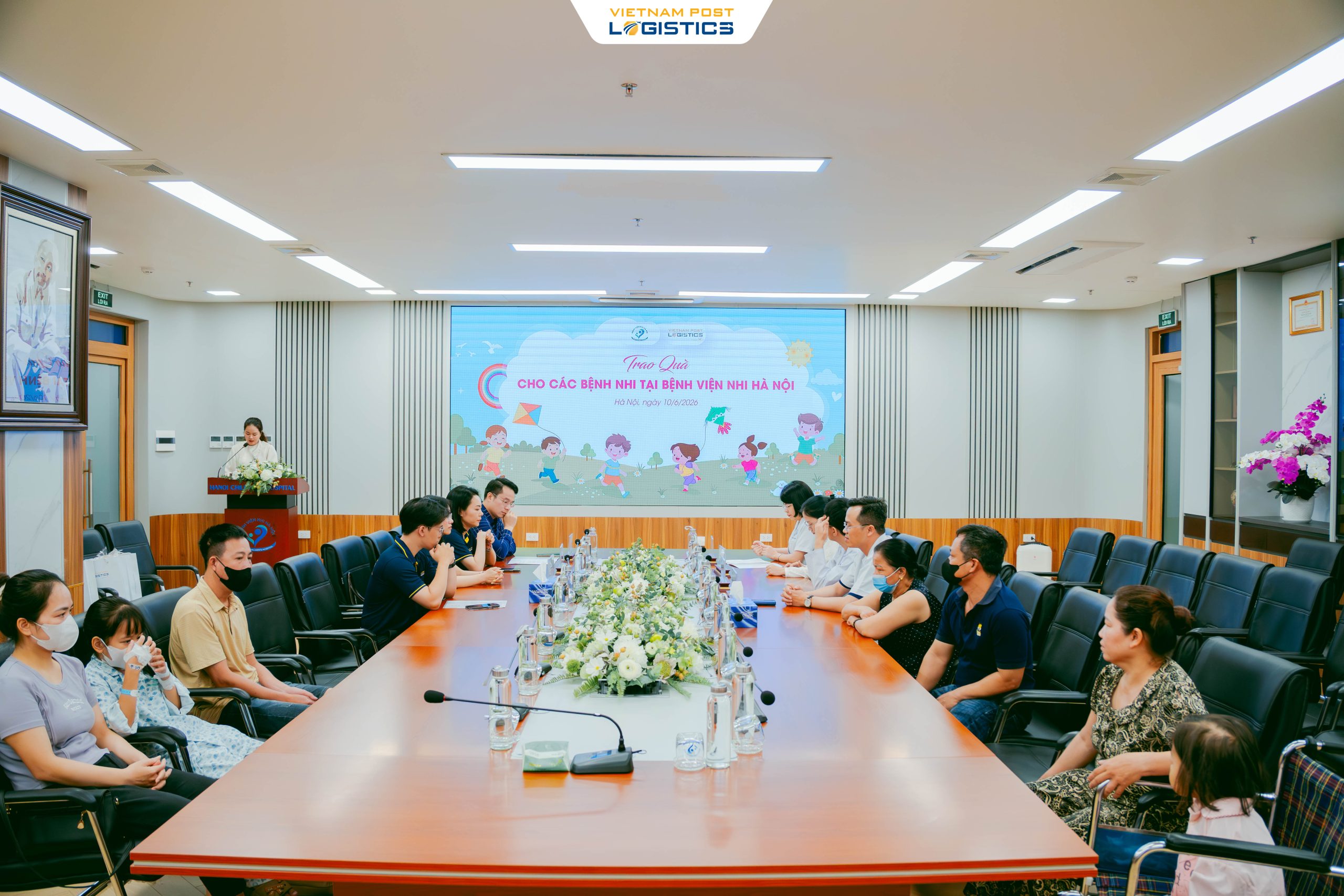
Vietnam Post Logistics Shares Love and Support with Pediatric Patients at Hanoi Children’s Hospital
In response to the Action Month for Children, representatives from the leadership and trade union of Vietnam Post Logistics recently paid a meaningful visit to Hanoi Children’s Hospital. The delegation extended encouragement and presented heartfelt gifts to young patients facing extremely difficult circumstances. This practical initiative is part of the company’s sustainable Corporate Social Responsibility […]
31 May, 2026
Air Freight to the EU in 2026: Mastering ICS2 Compliance and 5 Tips for Air Cargo Cost Optimization
Europe has long established itself as one of the most traditional, high-standard, and value-generating trade partners for Vietnamese exporting enterprises. For sectors governed by compressed timelines and high profit margins—such as telecommunications components, semiconductor chips, industrial project samples, or premium agricultural products—utilizing an international air freight to EU service is more than a transport method; […]