

.svg)




Since 2026: Why Every Shipment, Even the Smallest, Requires Customs Declaration?
 Vietnam Post Logistics
 2 February, 2026
 5 phút đọc
Entering 2026, the customs environment in Vietnam has crossed a significant threshold. For years, “buffer zones” existed—especially for low-value goods, express shipments, and small-scale e-commerce. However, from 2026, Customs Declaration 2026 has become a mandatory requirement for every package crossing the border.
This change is not just an isolated administrative decision; it reflects a fundamental shift in management philosophy. We are moving from manual, shipment-by-shipment oversight to a system powered by data, transaction chains, and cumulative risk assessment. The question is no longer whether a small package needs a declaration, but whether your business is ready to operate under these 2026 standards.
Customs Declaration 2026: A Legal Inevitability, Not a Sudden Policy
Legally, the requirement to declare every shipment in 2026 is not a “sudden new regulation”. This principle was established in the 2014 Customs Law, regarding the obligation to declare all imported and exported goods.
Guidelines such as Decree 08/2015/ND-CP, later amended by Decree 59/2018/ND-CP and Decree 18/2021/ND-CP, have gradually expanded management scope and narrowed down simplified cases. The difference in the 2025–2026 period is not the legal principle itself, but the enforcement capacity and data control of the Customs Authority. Effectively, Customs Declaration 2026 marks the moment the law is “fully activated” through technology, big data, and post-clearance audits.
Why Must Every Package Be Declared from 2026?
The Pressure of Cross-Border E-commerce
From 2021 to 2025, cross-border e-commerce in Vietnam grew at an explosive rate. Millions of low-value packages flow daily through express delivery, international fulfillment, and D2C models. While each package may only be worth a few dozen dollars, the total transaction value creates immense management pressure on tax and customs systems. Failure to declare these shipments leads to three core issues:
- Tax Revenue Loss: Significant leakage in the national budget.
- Lack of Origin Control: Difficulty in tracking the source of goods.
- Trade Fraud Risks: Increased vulnerability to illegal trade practices.
Under these circumstances, Customs Declaration 2026 for every shipment is no longer an option but a mandatory condition to maintain state management effectiveness.
Shift from Pre-Check to Risk Management and Post-Clearance Audit
A common misconception is that this new era means stricter physical checks at the border. In reality, the trend is decreasing pre-checks while increasing selective post-clearance audits based on declared data.
- The Foundation: Customs Declaration 2026 provides the data for authorities to analyze risks and determine which entities require deep control.
- The Benefit: Businesses with consistent, transparent data will enjoy faster clearance.
- The Penalty: Those lacking standardized data face prolonged post-clearance audits years after the goods have cleared.
How Customs Declaration 2026 Changes Logistics Operations
Customs Is No Longer the “Final Step”
In old models, many businesses viewed customs as the final logistics hurdle—only handled when goods were ready to ship. Customs Declaration 2026 forces companies to integrate customs factors into the very design of their supply chains.
-
Early Determination: HS codes, tax valuation, origin, and international transaction terms must be clarified from the start.
-
Latent Risks: Errors at any stage might not show up during clearance but will become severe during later audits.
The Shift of Legal Risk to “Post-Clearance”
Risk is no longer concentrated at the border; it has shifted heavily to the post-clearance phase. Many businesses only realize they have a problem 6–12 months, or even years later, when authorities review historical data. Common errors in HS codes, valuation, or related-party transactions can lead to massive tax arrears and administrative penalties. Therefore, this is no longer a short-term task but a long-term risk management puzzle.
Specific Impact on FDI Enterprises
For Foreign Direct Investment (FDI) firms, the 2026 standards pose more complex challenges. Multinationals often operate on global value chains with intricate transfer pricing systems.
- Data Synchronization: Customs data will now be cross-referenced with tax, financial, and transfer pricing records.
- Strategic Compliance: FDI firms must synchronize their customs strategy with their tax and logistics strategies.
- Investment Influence: This affects decisions on expanding production, locating warehouses, and choosing logistics partners in Vietnam.
Internal Management: Breaking Departmental Silos
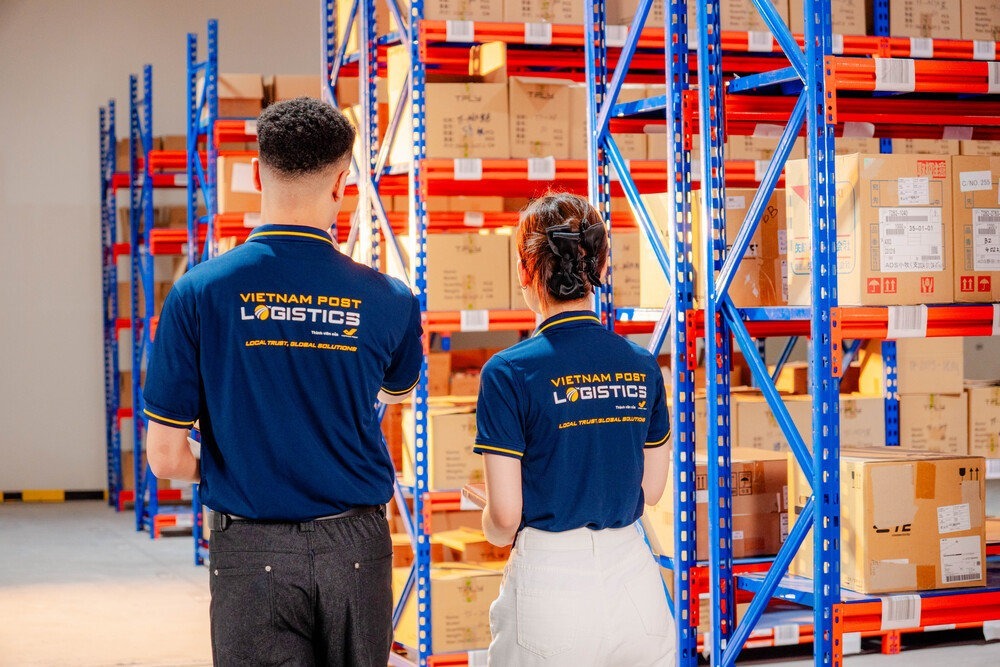
Customs Declaration 2026 removes the boundaries between internal departments. Logistics, Customs, Finance, Legal, and IT must now operate as a unified system.
- Data Interconnection: Declaration data is linked to invoices, shipping documents, contracts, and accounting systems.
- Consistency is Key: A single inconsistency can trigger a chain reaction during an audit.
- Organizational Challenge: This makes customs a matter of internal governance, not just a specialized professional task.
Instead of looking for “loopholes,” businesses must view Customs Declaration 2026 as a new operational standard. Standardizing data and investing in management systems not only reduces legal risks but also enhances long-term efficiency.
This marks a structural shift in Vietnam’s logistics and supply chain management. Every declaration no longer just decides a single shipment; it defines a company’s long-term competitive edge.
Bài viết liên quan
10 October, 2026
Southern Trucking Services: Relieving Peak Season Port and Airport Congestion
As the year-end peak season approaches, trading activity across Southern Vietnam’s key economic zone reaches record levels. Major seaport complexes like Cat Lai and Cai Mep – Thi Vai, alongside key air cargo gateways in the Ho Chi Minh City area, experience heavy inbound cargo flows to supply holiday production and distribution networks. However, revenue […]

10 October, 2026
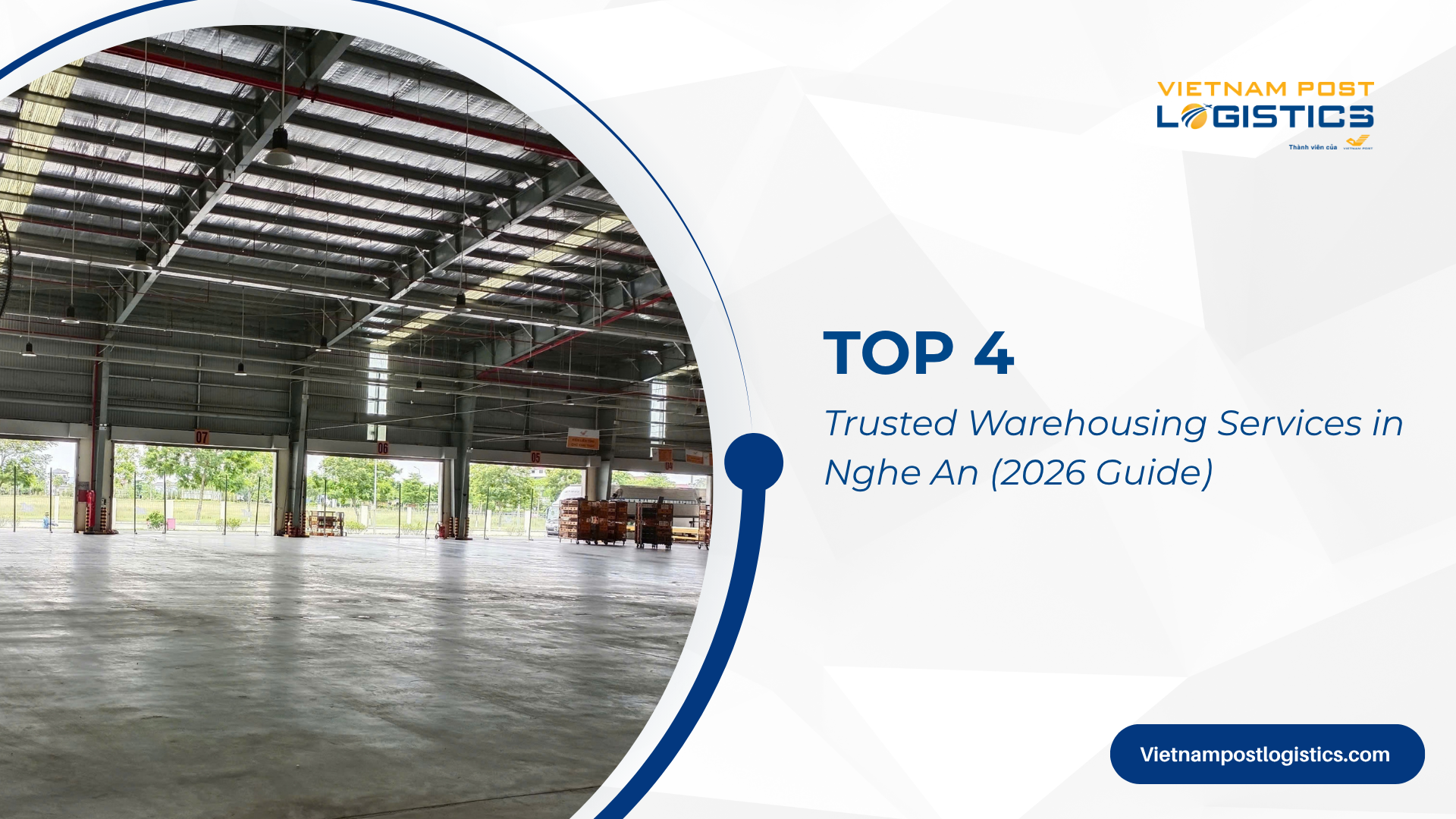
Top 4 Trusted Warehousing Services in Nghe An (2026 Guide)
10 October, 2026
Top 4 Trusted Warehousing Services in Nghe An (2026 Guide)
The surge in Foreign Direct Investment (FDI) and the ongoing industrial shift in North Central Vietnam are rapidly transforming Nghe An into a key regional logistics hub. For major manufacturing, trading, and distribution enterprises (Key Accounts/FDI clients), finding a reputable provider of warehousing services in Nghe An with high technical standards to serve as a […]
4 October, 2026
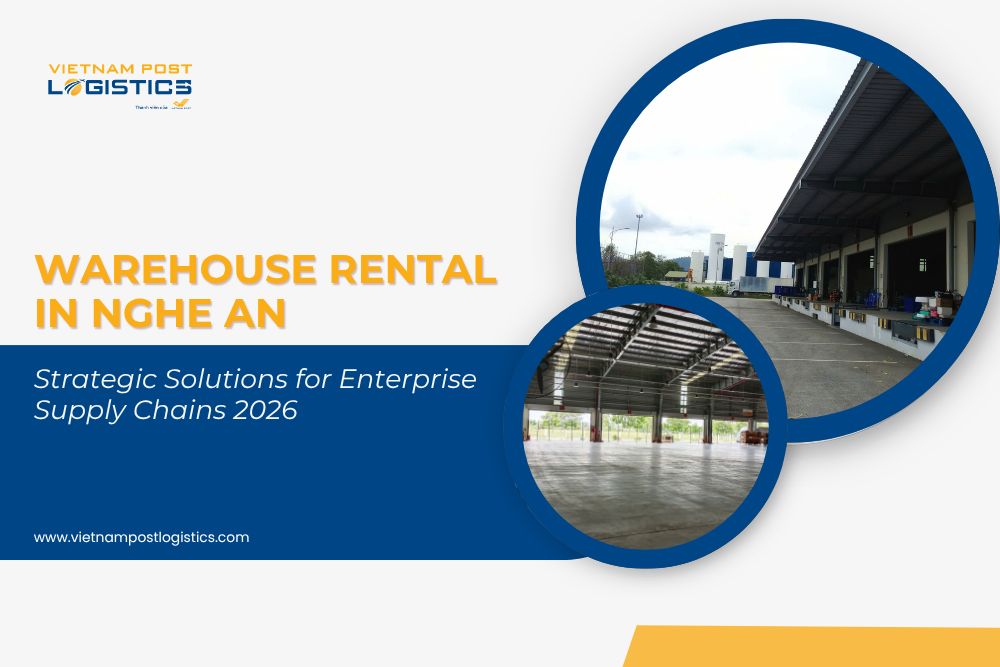
Warehouse Rental in Nghe An: Strategic Solutions for Enterprise Supply Chains 2026
The surge in foreign direct investment (FDI) and manufacturing activity across North Central Vietnam is driving a strong demand among enterprise clients for large-scale storage space. However, finding a reliable warehouse rental in Nghe An that satisfies rigorous technical standards, offers optimal transportation connectivity, and provides professional operational capabilities to serve as a regional distribution […]
6 August, 2026
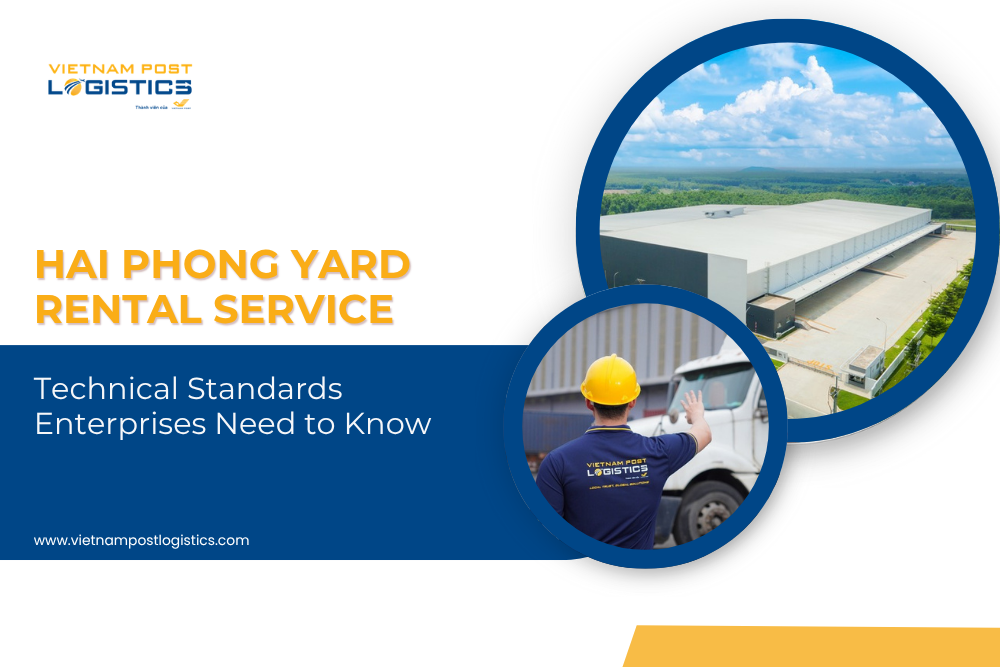
Hai Phong Yard Rental Service & Technical Standards Enterprises Need to Know
Currently, concerns about flooding during the stormy season, expensive DEM/DET penalty fees, and the shortage of standard off-dock buffer yards are creating immense pressure on the supply chain in Hai Phong. Perfectly meeting these strict requirements, the Hai Phong yard rental service by Vietnam Post Logistics provides a vast open yard space, high load-bearing foundation, […]
6 August, 2026
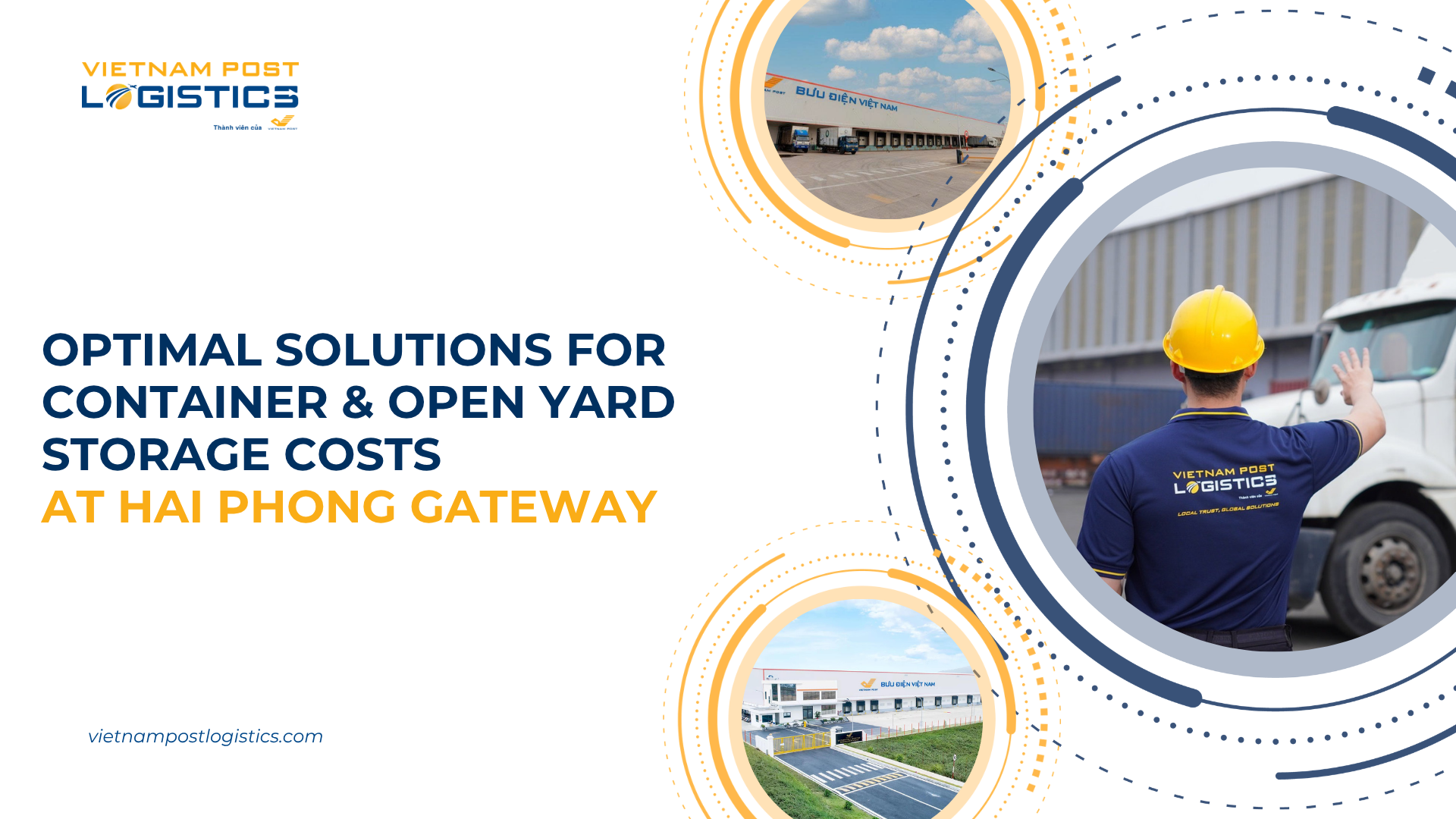
OPTIMAL SOLUTIONS FOR CONTAINER AND OPEN YARD STORAGE COSTS AT HAI PHONG GATEWAY
In the supply chain management problem at the Hai Phong gateway, choosing the wrong storage infrastructure can turn a profitable shipment into a loss due to storage fees. With main port yards constantly overloaded and indoor warehouses limited by both load capacity and height, the Off-Dock Open Yard model emerges as a perfect alternative solution. […]
15 July, 2026
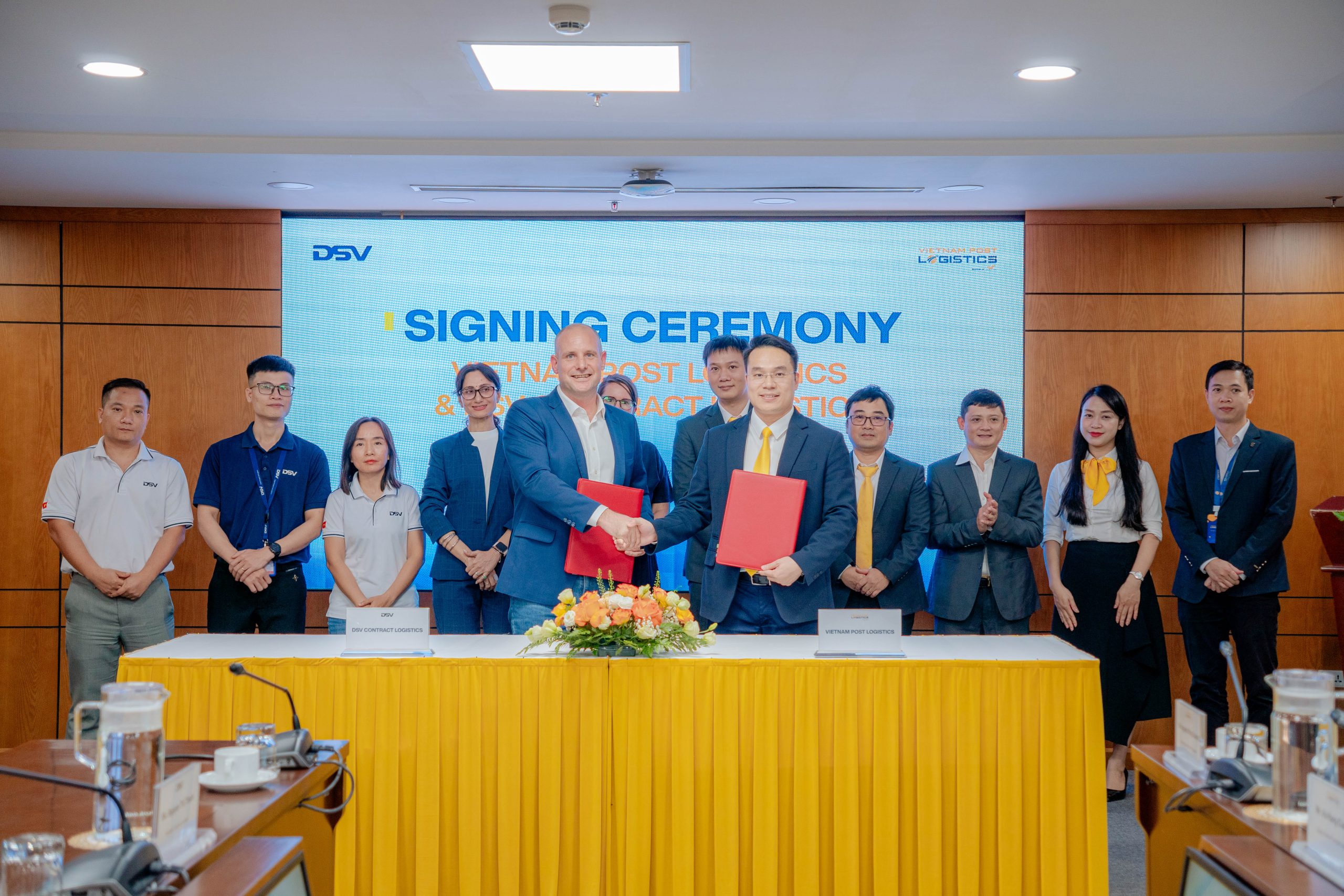
A Strategic Handshake Between Vietnam Post Logistics and DSV Contract Logistics (Vietnam): Pioneering the Future of B2B Supply Chains
On the afternoon of July 13, 2026, the Principal Contract Renewal Ceremony between Vietnam Post Logistics and DSV Contract Logistics (Vietnam) officially took place in a distinguished and proud atmosphere. This event attracted special attention, not only because of the scale of the two enterprises but also due to the profound impact of this partnership […]

11 June, 2026
Vietnam Post Logistics Shares Love and Support with Pediatric Patients at Hanoi Children’s Hospital
In response to the Action Month for Children, representatives from the leadership and trade union of Vietnam Post Logistics recently paid a meaningful visit to Hanoi Children’s Hospital. The delegation extended encouragement and presented heartfelt gifts to young patients facing extremely difficult circumstances. This practical initiative is part of the company’s sustainable Corporate Social Responsibility […]