

.svg)




Since 2026: Why Every Shipment, Even the Smallest, Requires Customs Declaration?
 Vietnam Post Logistics
 2 February, 2026
 5 phút đọc
Entering 2026, the customs environment in Vietnam has crossed a significant threshold. For years, “buffer zones” existed—especially for low-value goods, express shipments, and small-scale e-commerce. However, from 2026, Customs Declaration 2026 has become a mandatory requirement for every package crossing the border.
This change is not just an isolated administrative decision; it reflects a fundamental shift in management philosophy. We are moving from manual, shipment-by-shipment oversight to a system powered by data, transaction chains, and cumulative risk assessment. The question is no longer whether a small package needs a declaration, but whether your business is ready to operate under these 2026 standards.
Customs Declaration 2026: A Legal Inevitability, Not a Sudden Policy
Legally, the requirement to declare every shipment in 2026 is not a “sudden new regulation”. This principle was established in the 2014 Customs Law, regarding the obligation to declare all imported and exported goods.
Guidelines such as Decree 08/2015/ND-CP, later amended by Decree 59/2018/ND-CP and Decree 18/2021/ND-CP, have gradually expanded management scope and narrowed down simplified cases. The difference in the 2025–2026 period is not the legal principle itself, but the enforcement capacity and data control of the Customs Authority. Effectively, Customs Declaration 2026 marks the moment the law is “fully activated” through technology, big data, and post-clearance audits.
Why Must Every Package Be Declared from 2026?
The Pressure of Cross-Border E-commerce
From 2021 to 2025, cross-border e-commerce in Vietnam grew at an explosive rate. Millions of low-value packages flow daily through express delivery, international fulfillment, and D2C models. While each package may only be worth a few dozen dollars, the total transaction value creates immense management pressure on tax and customs systems. Failure to declare these shipments leads to three core issues:
- Tax Revenue Loss: Significant leakage in the national budget.
- Lack of Origin Control: Difficulty in tracking the source of goods.
- Trade Fraud Risks: Increased vulnerability to illegal trade practices.
Under these circumstances, Customs Declaration 2026 for every shipment is no longer an option but a mandatory condition to maintain state management effectiveness.
Shift from Pre-Check to Risk Management and Post-Clearance Audit
A common misconception is that this new era means stricter physical checks at the border. In reality, the trend is decreasing pre-checks while increasing selective post-clearance audits based on declared data.
- The Foundation: Customs Declaration 2026 provides the data for authorities to analyze risks and determine which entities require deep control.
- The Benefit: Businesses with consistent, transparent data will enjoy faster clearance.
- The Penalty: Those lacking standardized data face prolonged post-clearance audits years after the goods have cleared.
How Customs Declaration 2026 Changes Logistics Operations
Customs Is No Longer the “Final Step”
In old models, many businesses viewed customs as the final logistics hurdle—only handled when goods were ready to ship. Customs Declaration 2026 forces companies to integrate customs factors into the very design of their supply chains.
-
Early Determination: HS codes, tax valuation, origin, and international transaction terms must be clarified from the start.
-
Latent Risks: Errors at any stage might not show up during clearance but will become severe during later audits.
The Shift of Legal Risk to “Post-Clearance”
Risk is no longer concentrated at the border; it has shifted heavily to the post-clearance phase. Many businesses only realize they have a problem 6–12 months, or even years later, when authorities review historical data. Common errors in HS codes, valuation, or related-party transactions can lead to massive tax arrears and administrative penalties. Therefore, this is no longer a short-term task but a long-term risk management puzzle.
Specific Impact on FDI Enterprises
For Foreign Direct Investment (FDI) firms, the 2026 standards pose more complex challenges. Multinationals often operate on global value chains with intricate transfer pricing systems.
- Data Synchronization: Customs data will now be cross-referenced with tax, financial, and transfer pricing records.
- Strategic Compliance: FDI firms must synchronize their customs strategy with their tax and logistics strategies.
- Investment Influence: This affects decisions on expanding production, locating warehouses, and choosing logistics partners in Vietnam.
Internal Management: Breaking Departmental Silos
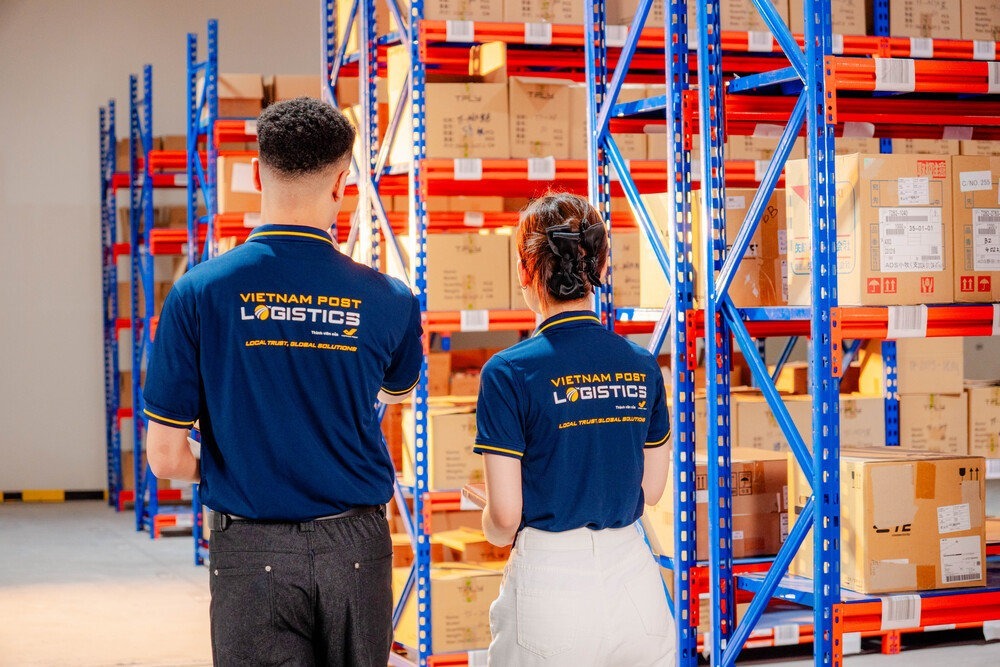
Customs Declaration 2026 removes the boundaries between internal departments. Logistics, Customs, Finance, Legal, and IT must now operate as a unified system.
- Data Interconnection: Declaration data is linked to invoices, shipping documents, contracts, and accounting systems.
- Consistency is Key: A single inconsistency can trigger a chain reaction during an audit.
- Organizational Challenge: This makes customs a matter of internal governance, not just a specialized professional task.
Instead of looking for “loopholes,” businesses must view Customs Declaration 2026 as a new operational standard. Standardizing data and investing in management systems not only reduces legal risks but also enhances long-term efficiency.
This marks a structural shift in Vietnam’s logistics and supply chain management. Every declaration no longer just decides a single shipment; it defines a company’s long-term competitive edge.
Có thể bạn sẽ thích?
Bài viết liên quan
13 March, 2026
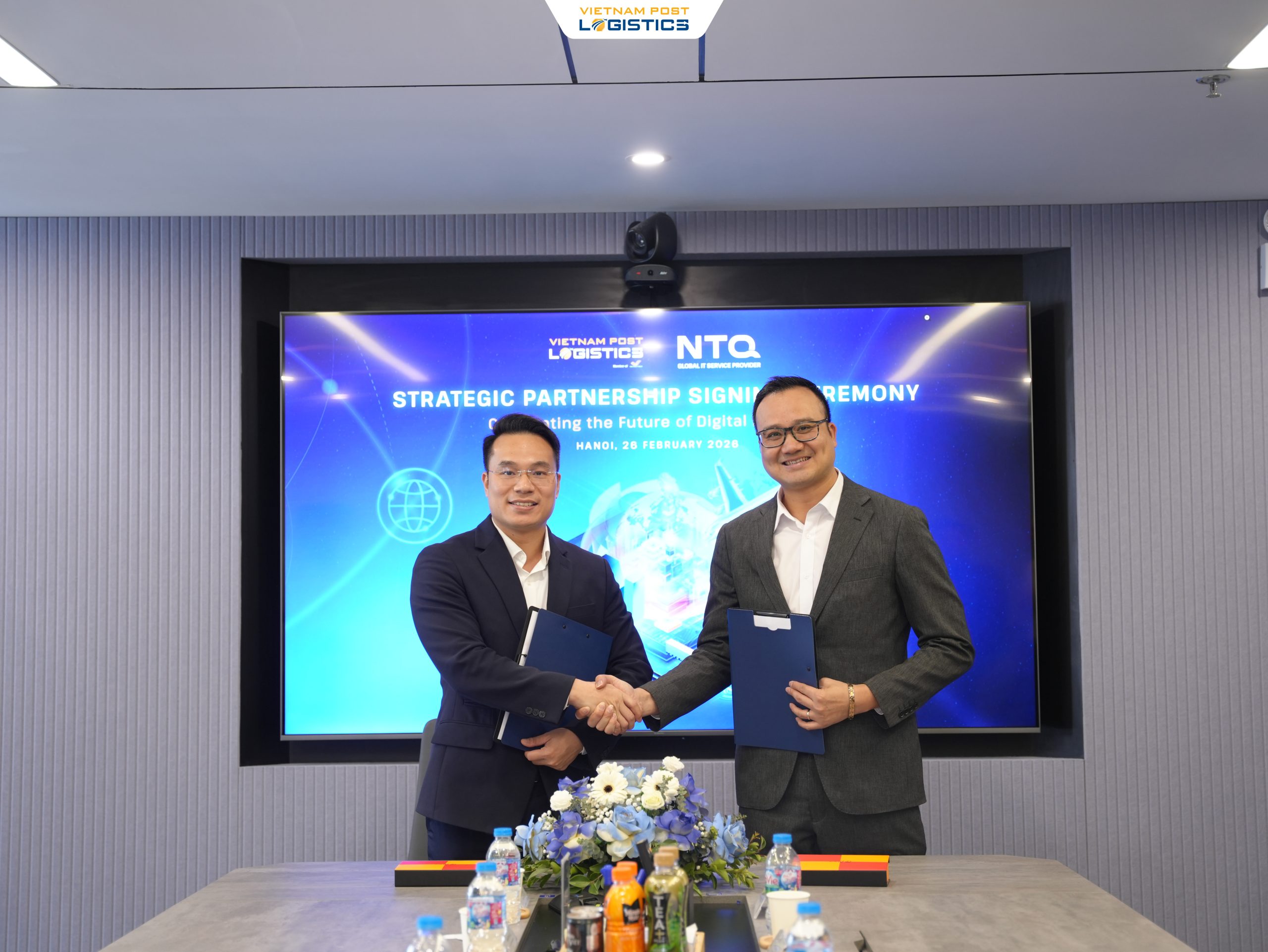
Vietnam Post Logistics & NTQ Solution: A Strategic Handshake to Architect a Global “Digital Logistics Ecosystem”
Vietnam Post Logistics and NTQ Solution recently signed a strategic Memorandum of Understanding (MOU), marking a pivotal milestone in the research and application of advanced technologies—particularly Artificial Intelligence (AI)—to revolutionize the logistics operational ecosystem. A Strategic Synergy for the Digital Age This partnership converges NTQ Solution’s global technological prowess with the comprehensive logistics infrastructure of […]


2 February, 2026
Vietnam Post Logistics Implements 2026 Development Plan and Summarizes Trade Union Activities 2025
On January 29, 2026, in the vibrant atmosphere of the early days of the Lunar New Year, Vietnam Post Logistics successfully organized the 2026 Development Plan Implementation Conference, combined with the 2025 Trade Union Performance Review. The conference was held in a hybrid format, connecting the headquarters with regional branches nationwide, bringing together management and employees […]
27 January, 2026
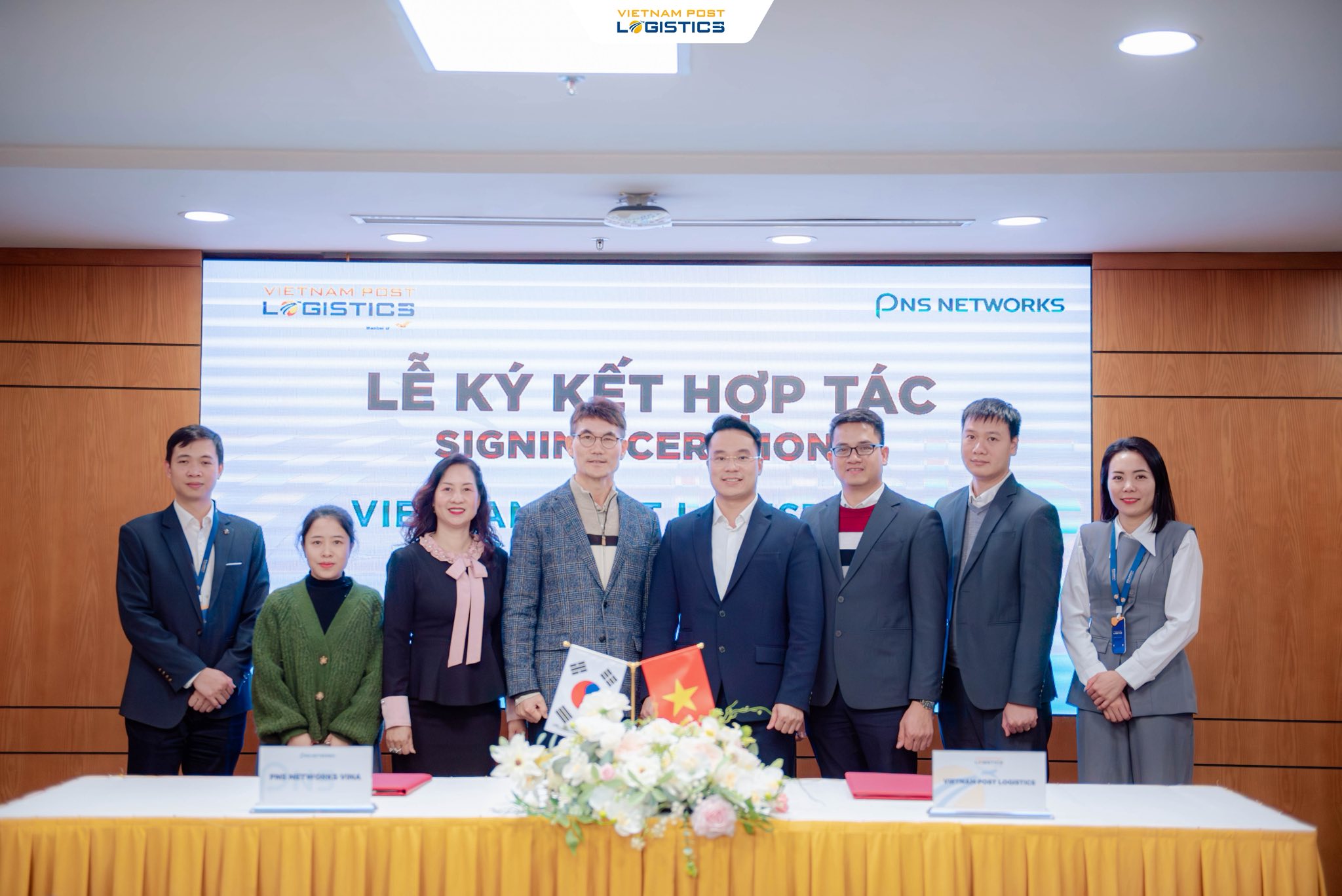
Vietnam Post Logistics & PNS Network Vina – Expand Strategic Partnership to Strengthen Logistics Capabilities in Vietnam
Amid the strong restructuring of global supply chains, logistics service providers are facing increasing pressure to enhance flexibility, connectivity, and operational efficiency. In this context, strategic cooperation between domestic and international logistics companies has become a key driver for sustainable growth and competitiveness. On January 22, 2026, Vietnam Post Logistics and PNS Network Vina officially […]
19 January, 2026
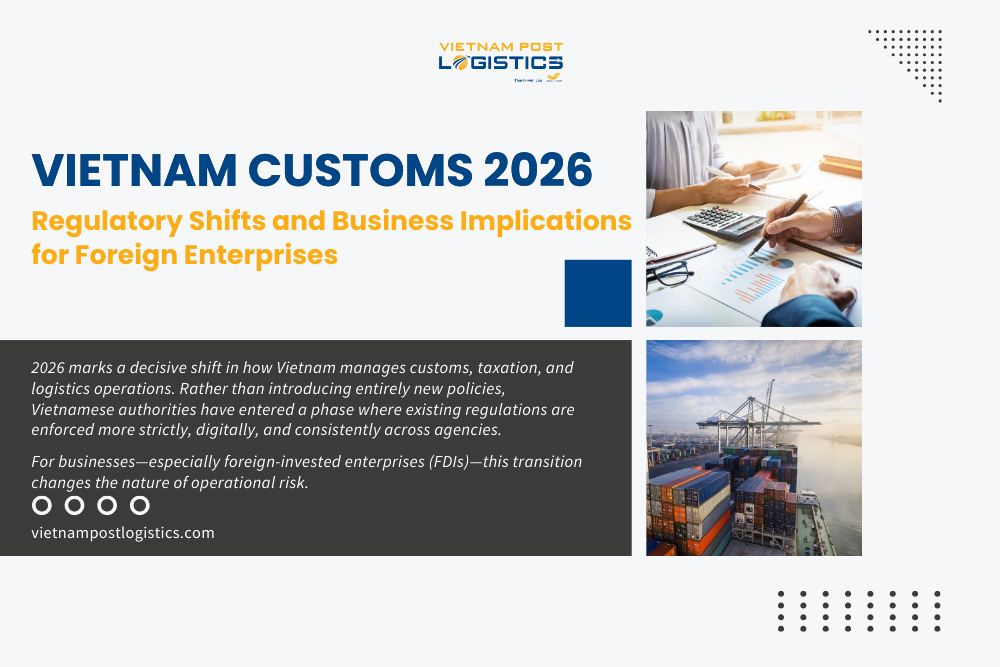
Vietnam Customs 2026: Regulatory Shifts and Business Implications for Foreign Enterprises
Vietnam customs 2026 marks a structural turning point for foreign enterprises operating in Vietnam. After years of gradual policy updates, the customs and logistics environment has entered a phase where regulatory enforcement, data integration, and post-clearance controls are applied more strictly and consistently than before. For foreign-invested enterprises (FDIs), Vietnam customs in 2026 is no […]
12 December, 2025
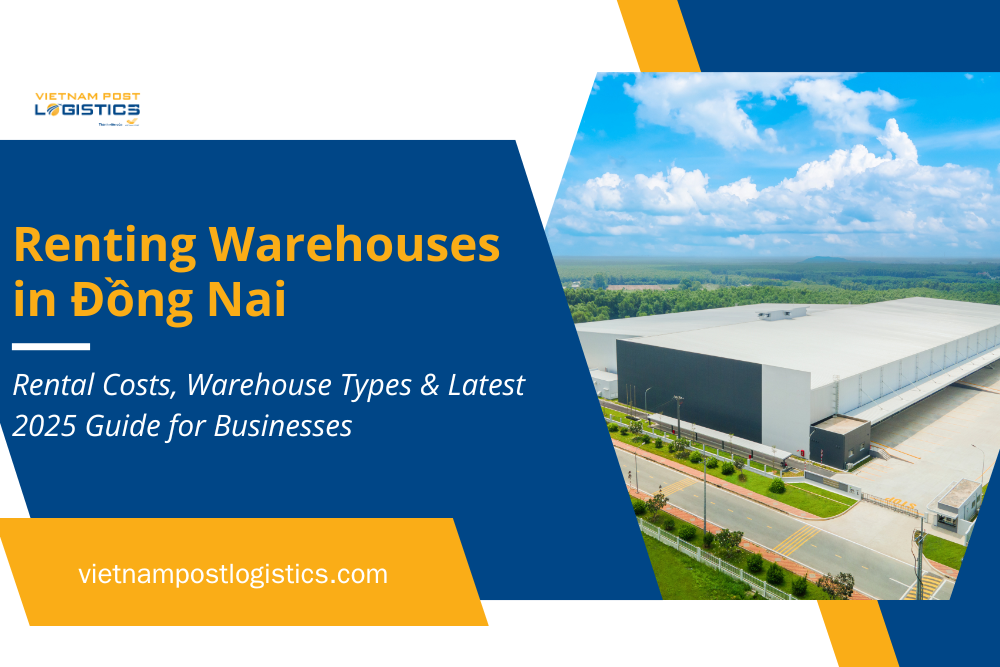
Renting Warehouses in Đồng Nai: Rental Costs, Warehouse Types & Latest 2025 Guide for Businesses
Over the last three years, Đồng Nai has emerged as the “logistics capital of Southern Vietnam”, driven by rapid industrial park development and its strategic location near major seaports and newly built expressways. This has led to a significant increase in demand for warehouse rental in Đồng Nai, especially from manufacturing, trading, and import–export enterprises. […]
11 December, 2025
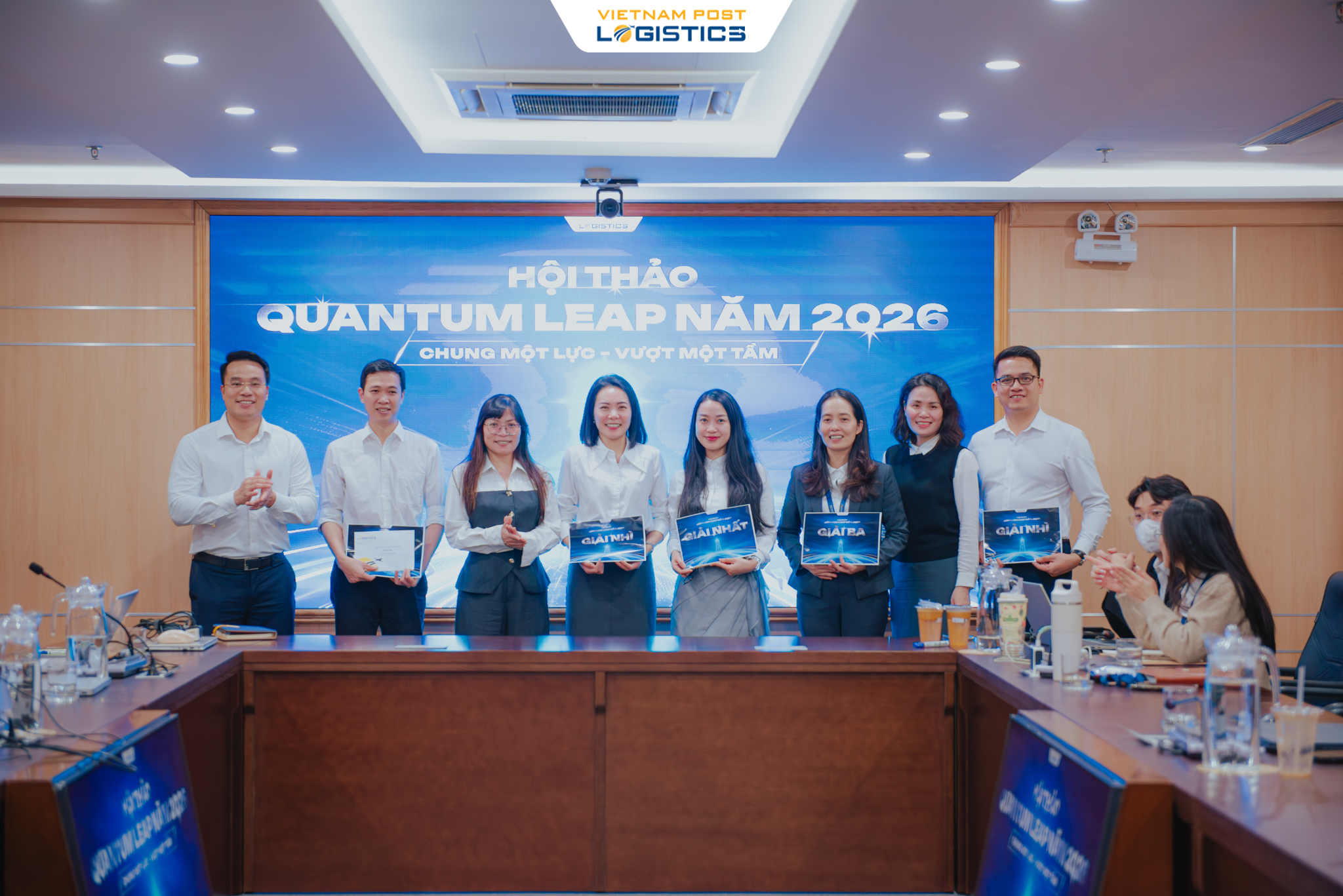
Quantum Leap 2026 Conference – A Strategic Breakthrough for Vietnam Post Logistics
Recently, Vietnam Post Logistics successfully organized the “Quantum Leap 2026 – Unified Strength, Elevated Vision” conference, bringing together department heads, core specialists, and key personnel across various divisions to identify breakthrough directions for 2026. This event marked an important milestone during the Company’s acceleration phase of transformation, operational optimization, and expansion of its strategic business […]

11 December, 2025
Charity Program “Journey from the Heart – Accompanying Mountainous Communities” at Son Luong Commune, Lao Cai Province
As part of our recent charity activities, Vietnam Post Logistics embarked on a meaningful journey to Trung Hoc & Tieu Hoc Sùng Đô School in Son Luong Commune, Lao Cai Province — a highland school that still faces many difficulties yet is filled with resilience and an admirable spirit of learning among its students. Spreading […]